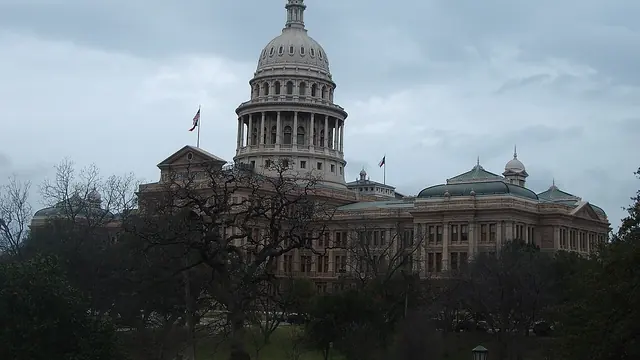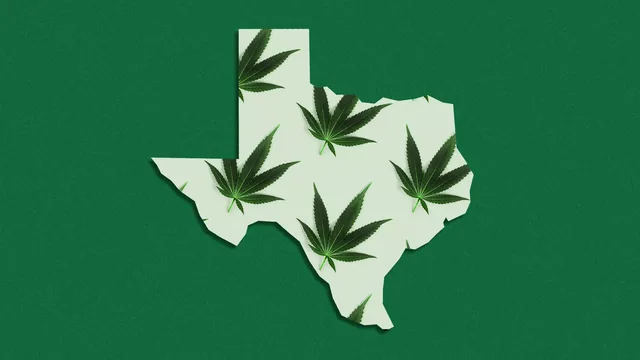
Texas Lawmakers File First Cannabis Bills of 2027, From Legalization to HB 330
Three legalization bills, HB 330 for menstrual cramps, drug-test limits for public workers and lower concentrate penalties led the first day of filing.
Independent cannabis reporting and practical guides for adults.
News, research, medical access, business, culture, reviews, and local guides.
CannaWize CoBills, court rulings, and agency actions, explained in terms of access, cost, and what changes next.
Three legalization bills, HB 330 for menstrual cramps, drug-test limits for public workers and lower concentrate penalties led the first day of filing.
Use an official Texas address lookup to find your state representative and senator, then prepare an editable constituent email.
What must happen in the regular session, when a special session could matter, and why a signed bill would still come before regulated retail sales.
The first federal registrations cover seven states, including Texas, with a Nov. 29 supply-chain deadline.
Republican senators are weighing rule changes that could limit Vikki Goodwin. Nothing has been adopted.
She has promised Texans a vote on THC, not legal marijuana by decree. What she has said and a realistic timeline.
What the federal hemp definition change does and does not touch, from medical cannabis to CBD and state law.
Low-level possession becomes HPD's lowest priority and no-knock warrants are banned. Marijuana is still illegal.
Key dates for the 2027 session, how to track bills and testify, and a simple scorecard for checking campaign promises against votes.
What the post-election balance means for hemp THC, medical cannabis and 2027 legislation.
Key dates, what could still change and a checklist for THCA buyers before federal hemp limits start.
The laws remain in place after rulings on signatures and standing, but future claims are not impossible.
What the 35-state survey says about THCA, jobs, revenue, and the limits of an industry forecast.
The corrected 11-day record is public, but publication is not a final Schedule III decision.
The state Supreme Court preserved a totality-of-circumstances test. Cannabis odor can count, but it does not automatically validate every search.
Houston voters will decide the city police enforcement and warrant-execution proposal on November 3. It would not legalize marijuana.
State-licensed medical marijuana is already Schedule III federally. Broader rescheduling is still pending, with DEA briefs due August 17.
H.R. 6500 is now law. The one-month federal delay is final, while Texas's separate total-THC and controlled-substance rules remain in effect.
A 61-32 vote to table Sen. Ted Budd's amendment leaves a White House-backed delay in place. The funding bill passed 90-6 and heads to the House.
The 2 mg cap is now in effect, and a federal judge denied the hemp industry's request to pause enforcement while its lawsuit continues.
Harris County DA Sean Teare's office says it has no new guidance after Texas' July 31 THC schedule and will keep focusing resources on violent and organized crime instead.
North Carolina still allows hemp-derived THCA under a 2022 state law with no license or serving cap. Here is the current rule, the stalled state bill, and the federal deadline that could upend it.
What DSHS says changes July 31, and why smokeable-hemp retail is a separate legal issue.
Most hemp and cannabis businesses market to adults. Here is how clear age controls, accurate claims, responsible packaging, and privacy rules can protect adult access without vilifying the industry.
Where the 2026 federal marijuana rescheduling process stands, what the DEA hearing does, why lawsuits matter, and what Schedule III would not legalize.
What United States v. Hemani decided about marijuana use and firearm possession, how narrow the ruling is, and why cannabis users should not treat it as universal permission.
Why cannabis license lotteries and application rules draw lawsuits, what injunctions do, and how delays affect applicants, consumers, local governments, and existing operators.
How local zoning, odor rules, state preemption, hemp enforcement, and court challenges determine where cannabis businesses can operate and products can be sold.
A practical guide to cannabis employment rules, federal testing programs, safety-sensitive work, state protections, and the limits of a positive test.
How state cannabis legalization interacts with federal law, including federal land, interstate travel, employment, banking, and medical-program limits.
The current federal marijuana rescheduling status, what the Schedule III proposal would change, and what it would not legalize for consumers or state businesses.
Virginia plans to begin regulated adult-use marijuana sales July 1, 2027. Here is the licensing timeline and what remains illegal today.
The Texas Hemp Business Council’s June 2026 rehearing request was denied. Here is what that means for DSHS rules and the underlying lawsuit.
Texas now applies a total-THC standard to consumable hemp. Here is what that means for THCA products, consumers, and retailers in July 2026.
Cannabis policy changes through documents: signed bills, effective rules, court orders, agency guidance, and official records. CannaWize links those sources and distinguishes a proposal from a final action. Coverage identifies the jurisdiction because federal, state, tribal, and local rules can point in different directions.
Every policy article should answer the practical questions: What changed? When does it take effect? Who is covered? What remains unresolved? Readers making decisions about employment, travel, housing, licensing, or criminal exposure should confirm the current rule and seek qualified advice when the stakes require it.
Clear answers
We use legislation, agency documents, court filings, and other primary sources to establish what the government is doing. Then we examine the practical effects on adult consumers, patients, hemp businesses, and access. A rule can have a public-interest goal and still deserve scrutiny for being vague, disproportionate, or harmful to responsible operators.
Federal, state, and local rules overlap, and legislation, agency rulemaking, lawsuits, and enforcement guidance can change the practical answer. Always check the jurisdiction, effective date, and newest primary source before relying on a policy article.
Proportionate regulation can include age controls, accurate labels, contaminant testing, responsible marketing, and meaningful enforcement against harmful conduct. It should connect restrictions to evidence and measurable outcomes rather than treating an entire plant, patient community, or lawful industry as inherently suspect.
Confirm that the story applies to your state or locality, distinguish a proposed bill from an enacted law, check its effective date, and review current agency guidance. Our reporting is educational and is not a substitute for legal advice.
Cannabis news, research explainers, and practical guides, sent when they matter.
By subscribing, you agree to receive the CannaWize Brief. Unsubscribe anytime. Privacy Policy.