Sens. Tim Sheehy, a Montana Republican, and Amy Klobuchar, a Minnesota Democrat, introduced the Hemp Guardrails Act on November 17. It is the Senate's most detailed plan yet to replace the federal hemp rewrite scheduled to take effect December 11. The 17-page text would remove the 0.4 mg per-container THC cap that threatens most hemp edibles and drinks, and hand oversight to the Food and Drug Administration. It would also ban the products many hemp shoppers buy most: smokable flower, pre-rolls and delta-8.
The Hemp Guardrails Act is a proposal, not law. It has no committee vote yet, and the Senate had not posted a bill number when we checked. Its changes would take effect on December 11, 2026, the same day the current rules start. Supporters want it attached to the funding bill Congress must pass by then. Two Republican senators have already said they will oppose any package that does that.
What the Bill Would Change on December 11
| Issue | Current law on Dec. 11 | Hemp Guardrails Act |
|---|---|---|
| Plant THC limit | 0.3% total THC, counting THCA | 1.0% total THC, still counting THCA |
| Finished products | No more than 0.4 mg total THC per container | 0.4 mg cap removed; FDA sets standards |
| Delta-8, delta-10, HHC, THC-O | Out if made outside the plant | Banned above trace amounts as “restricted cannabinoids” |
| Smokable flower and pre-rolls | Effectively out under the total-THC and container limits | Expressly barred from interstate commerce |
| Age | No federal minimum | 21+ to buy, possess or consume |
| Regulator | No dedicated federal framework | FDA, with rules due within 180 days |
What Would Stay Legal
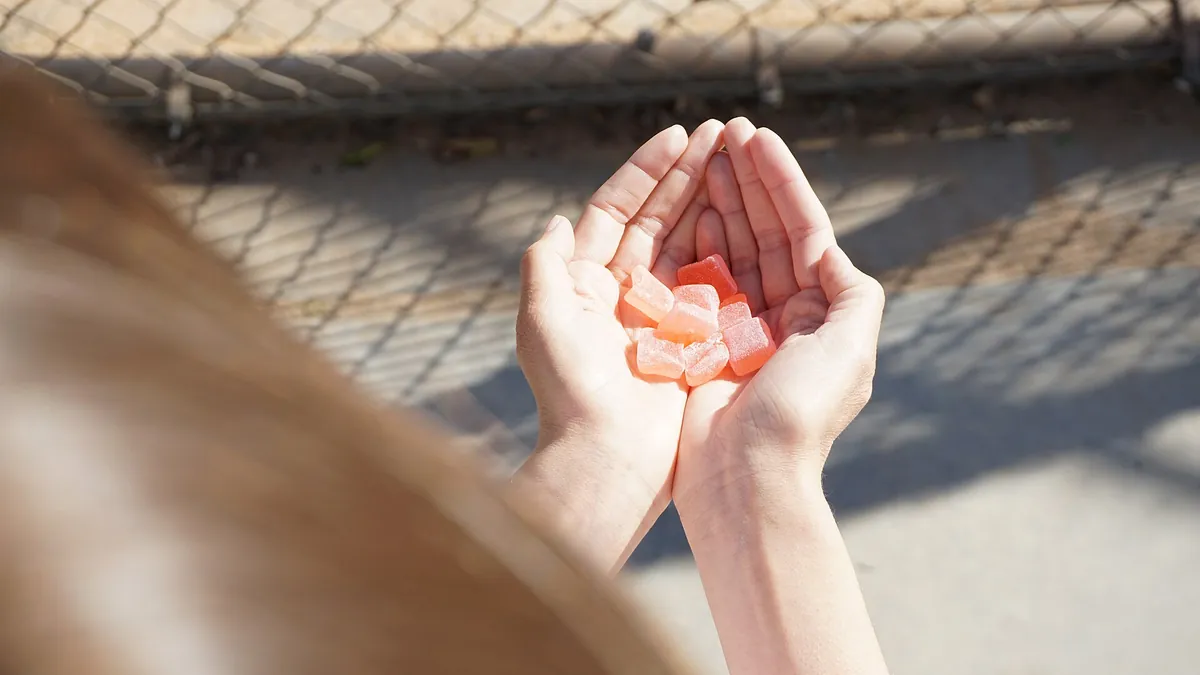
The biggest change is in the final-product exclusion. Section 781 of Public Law 119-37 excludes any finished hemp product with more than 0.4 mg of combined total THC per container. That cap is why most hemp gummies and THC drinks would fail the new definition. The Hemp Guardrails Act strikes it. It also drops the current bar on natural cannabinoids, such as delta-9 THC, that were converted or made outside the plant.
In their place, the bill creates a “hemp-derived cannabinoid product” category under the Federal Food, Drug, and Cosmetic Act. That category can include ingestibles, beverages, tinctures, capsules, topicals and some inhalables. A separate dietary-supplement category covers ingestible products that are not marketed for impairing effects. The bill also says FDA cannot treat a compliant product as adulterated just because it contains cannabinoids.
Products would have to be made only from hemp grown, processed, finished and packaged in the United States. The bill keeps the existing ban on cannabinoids the plant cannot naturally produce, which already took effect on November 12.
What It Would Ban
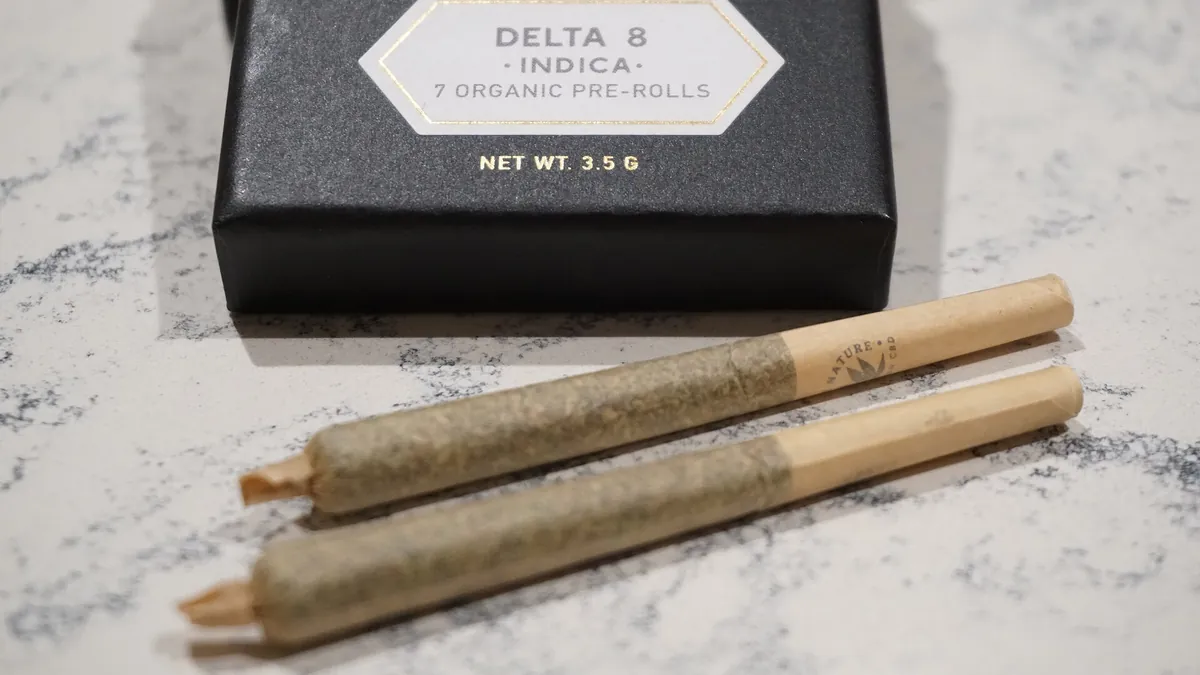
The bill would make it a prohibited act to ship a hemp-derived cannabinoid product across state lines if it contains raw floral hemp, smokable flower or pre-roll material intended for inhalation. The senators' release calls this banning “gas station weed.”
It would also exclude products with more than trace amounts of “restricted cannabinoids.” The text defines them as intoxicating cannabinoids other than delta-9 THC that act on the CB1 receptor, and names delta-8 THC, delta-10 THC, HHC and THC-O-acetate, plus their isomers and analogs. CBD, CBN, CBG, CBC, CBDV, THCV and delta-9 THC are expressly left out of that list.
For THCA flower buyers, this bill is not a rescue. It keeps the total-THC test that counts THCA. High-THCA flower typically tests far above 1% total THC, so it would not be hemp under either the current law or this bill, and the flower ban would apply anyway. Our December 11 guide for THCA buyers covers what changes under current law.
How FDA Would Regulate Hemp Products
Within 180 days of enactment, FDA would have to issue rules covering:
- Packaging: child-resistant packaging, with no designs that imitate images used to market to children or anyone under 21.
- Labels: a QR code or web address on every finished product that links to its certificate of analysis.
- Testing and manufacturing: uniform testing for cannabinoid content and contaminants, third-party lab testing of finished products and good manufacturing practices.
- Recalls and registration: recall procedures plus facility registration and recordkeeping.
The bill adds hemp products to FDA's inspection and seizure powers, makes sales to anyone under 21 a federal violation and says hemp products are not tobacco products. It also protects federal health officials' existing authority to cover hemp-derived CBD supplements through Medicare programs.
Two things are missing from the text. It sets no per-serving or per-package THC limit, so those numbers would come from FDA, if anywhere. And unlike the House beverage and Lawful Hemp Protection bills, it creates no federal hemp tax.
What States Could Still Do
States, territories and tribes could keep or pass rules at least as strict as the federal ones, including outright bans on sales within their borders. They could not block compliant products from moving through the state on the way somewhere else. That matters in states like Texas, where state hemp rules are already tighter than federal law; see who can change Texas hemp rules.
Who Supports It and Who Is Fighting It
The U.S. Hemp Roundtable endorsed the bill. General counsel Jonathan Miller told Marijuana Moment that “all responsible players in the hemp industry are united in support.” The group wants it included in the next spending bill or continuing resolution.
Opposition came within a day. Sen. Ted Budd (R-NC) wrote on X on November 17 that he would not back any year-end package that “extends, delays, or builds a regulatory framework around” hemp THC products. Sen. Pete Ricketts (R-NE) said he agreed. Their statements, reported by Marijuana Moment, matter because a single senator can slow a must-pass funding bill.
What Happens Next
A standalone bill introduced 24 days before the deadline has almost no chance of moving through committee and both chambers on its own. The realistic path is the one described in our spending-bill report: attaching hemp language to the funding measure Congress needs by December 11. The Hemp Guardrails Act gives negotiators a ready-made Senate text, and its December 11 effective date is designed to replace the current rules on the same day they start.
Until enacted text is signed, current law controls. Compare this bill with the House proposals in our federal hemp bill guide, and see which hemp products could remain legal after December 11.
Clear answers
Frequently Asked Questions
Is the Hemp Guardrails Act law?
No. It was introduced November 17, 2026, and has not had a committee vote or passed either chamber. Unless Congress enacts it or other hemp language, most of the new federal hemp definition takes effect December 11.
Would it keep THCA flower legal?
No. It keeps the total-THC test that counts THCA, sets the plant limit at 1% and bars smokable hemp flower and pre-rolls from interstate commerce as consumer products.
Would it end the 0.4 mg per-container cap?
Yes. It strikes that limit. The text sets no replacement milligram cap; FDA would write packaging, labeling, manufacturing and testing standards within 180 days.
Does it ban delta-8?
Yes. Delta-8, delta-10, HHC and THC-O-acetate would be restricted cannabinoids. CBD, CBN, CBG, CBC, CBDV, THCV and delta-9 THC would not.
Sources
- Hemp Guardrails Act bill text (PDF), posted by Sen. Klobuchar's office
- Sen. Amy Klobuchar: Klobuchar, Sheehy introduce bipartisan legislation, November 17, 2026
- Sen. Tim Sheehy: Sheehy, Klobuchar introduce bipartisan Hemp Guardrails Act, November 17, 2026
- GovInfo: Public Law 119-37, Section 781
- Marijuana Moment: Bipartisan senators file bill to keep hemp THC products federally legal, November 17, 2026
- Marijuana Moment: GOP senators say they'll try to block any funding bill that keeps hemp THC products legal, November 18, 2026