The 2026 election changed the officials who will influence Texas cannabis policy, but the legal baseline did not move on Election Day. Marijuana possession remains an offense under Health and Safety Code Section 481.121. The Compassionate Use Program and the separate hemp system continue under their own statutes. The next opening for comprehensive adult-use legislation is the 90th regular session, which begins Jan. 12, 2027.
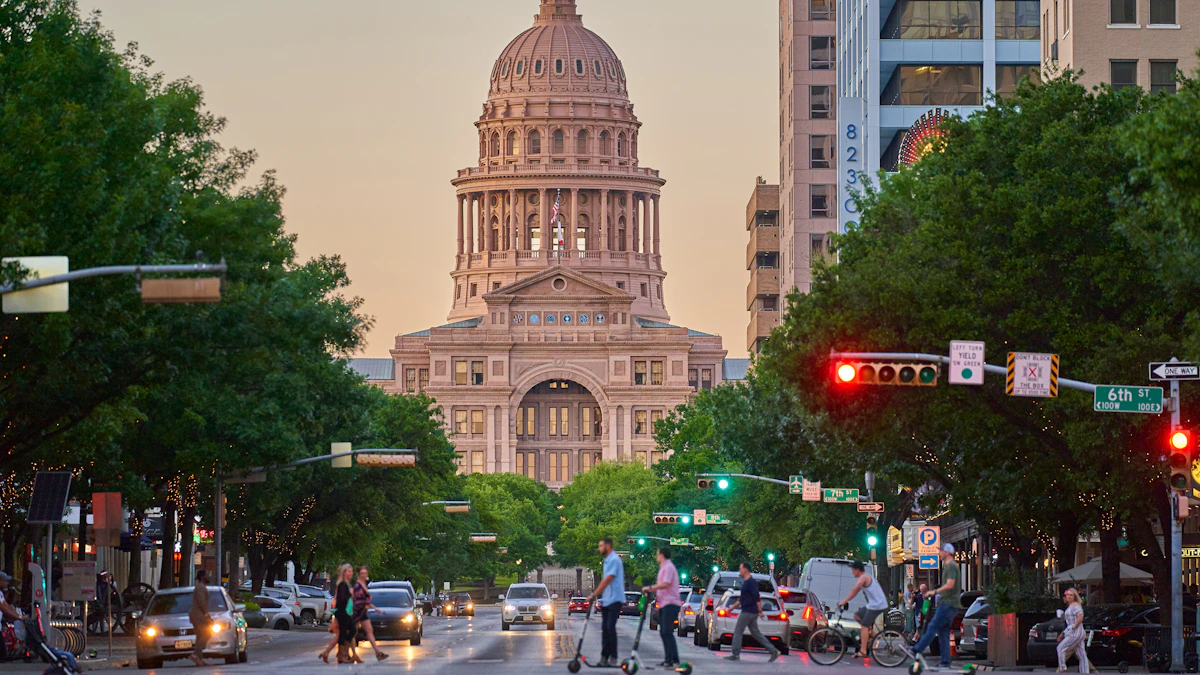
Texas can legalize adult-use marijuana through an ordinary statute. A constitutional amendment and statewide vote are not required. A legislator must file a bill, a committee must advance it, the House and Senate must pass the same text, and the governor must sign it or allow it to become law. If the regular session ends without a bill, the governor could place cannabis on a special-session agenda, but a special session does not bypass the Legislature.
What the Election Changed, and What It Did Not
The election changed personnel and political incentives. Our Texas election results report tracks the statewide races and the records of candidates who addressed hemp or cannabis. Those results can affect which bills receive support, who appoints committee leaders and whether a final bill is likely to be signed.
Three limits matter immediately:
- Officials-elect do not exercise the powers of an office before taking office. Only the sitting governor can issue a special-session proclamation or act on a bill.
- A governor cannot repeal marijuana statutes by executive order. The governor can recommend legislation, declare an emergency item, call a special session, sign a bill or veto it. Changing the possession offense and creating a legal market requires legislation.
- A lieutenant governor cannot pass a bill alone. The office strongly influences Senate committees and scheduling, but senators still adopt rules and vote. The House must pass the same legislation.
The Six Gates Between a Proposal and Legal Sales
| Gate | What must happen | What can stop the bill |
|---|---|---|
| 1. A bill is filed | A representative or senator files statutory language. Prefiling for the 90th Legislature opens Nov. 9, 2026. | A press statement or campaign promise without bill text changes nothing. |
| 2. Committee action | The presiding officer refers the bill to a committee. The chair schedules a hearing, testimony is taken, and members vote on whether to report it. | A bill can remain pending without a hearing or vote. |
| 3. First chamber | The bill reaches a House or Senate calendar, survives amendments and wins final passage. | Leadership can withhold floor time, or members can amend or reject the proposal. |
| 4. Second chamber | The other chamber repeats the committee and floor process. | The second chamber can pass a different version or take no action. |
| 5. Final agreement | Both chambers approve identical text, either by concurring in amendments or adopting a conference committee report. | Unresolved differences kill the bill when the session ends. |
| 6. Governor and implementation | The governor signs the enrolled bill, allows it to become law without a signature, or faces a possible veto override while lawmakers are available. Agencies then write rules and issue licenses under the statute. | A veto, missing appropriation, failed rulemaking deadline or litigation can delay or prevent launch. |
The nonpartisan Texas Legislative Council explains each stage in The Legislative Process in Texas. The 2025 adult-use proposal, House Bill 1208, shows how much text a comprehensive measure can require. It addressed possession, business licenses, testing, packaging, local regulation and taxes, but it did not become law. A 2027 bill could use a different structure.
The Regular-Session Route
The Texas Legislative Council’s official Dates of Interest lists Nov. 9, 2026, as the first day legislators and legislators-elect may file bills for the 90th Legislature. The session convenes at noon on Jan. 12, 2027. It can last 140 days.
- Prefiling reveals the opening proposals. A legalization bill may be comprehensive, or lawmakers may split criminal penalties, licensing, taxation and record clearing into separate measures.
- January organization determines the route. The House elects a speaker, each chamber adopts rules and committee assignments follow. Those decisions determine where cannabis bills are referred and who can schedule hearings.
- Committee language becomes the first practical test. The filed version is not necessarily the version that reaches the floor. Substitutes and amendments can change possession limits, home cultivation, local control, taxes or license eligibility.
- Both chambers must pass the same policy. A House vote alone is not legalization. A Senate vote alone is not legalization. If the versions differ, lawmakers must reconcile them before adjournment.
- The governor receives the enrolled bill. Under Article IV, Section 14 of the Texas Constitution, the governor may sign, veto or take no action within the applicable deadline. A two-thirds vote of members present in each chamber is required to override a veto.
A bill passed late in the regular session can be vetoed after lawmakers have adjourned, leaving no immediate opportunity for an override. That timing makes the governor’s position important even when a proposal has enough votes to pass both chambers.
How a Special Session Could Become the Second Route
A special session is not triggered by an election result, a petition or a failed bill. The sitting governor must call it. Article IV, Section 8 requires the proclamation to state the purpose of the session. Article III, Section 40 limits the session to the subjects named by the governor and to no more than 30 days.
For marijuana legalization, that creates four practical conditions:
- The call must be broad enough. If the proclamation addresses only hemp-product safety or medical access, an adult-use bill may fall outside the call. The governor can add subjects, but lawmakers cannot expand the agenda on their own.
- The full legislative process still applies. Bills need committee action, floor passage in both chambers, identical final text and gubernatorial action.
- The shorter calendar raises the cost of disagreement. Thirty days leaves less time to resolve licensing, taxation, criminal-law and local-control disputes.
- Another call is possible. The Constitution limits the length of each session, not the number of sessions a governor may call. A later session would still need a new proclamation and a new legislative process.
The Legislative Reference Library’s special-session FAQ notes that a called session may end before 30 days and uses the same general procedural rules as a regular session. A special session is therefore a second opportunity, not an automatic fast track.
Why a Statewide Petition Cannot Put Legalization Directly on the Ballot
Texas does not have a statewide citizen-initiative process. Voters cannot collect signatures and place an adult-use statute directly on the statewide ballot. The National Conference of State Legislatures lists the states that permit citizen initiatives and explains the difference between citizen measures and legislative referrals.
Legalization also does not need to be written into the Texas Constitution. The Legislature can amend the Health and Safety Code, Tax Code, Occupations Code and related statutes through an ordinary bill. If lawmakers choose the constitutional-amendment route, Article XVII, Section 1 requires approval by two-thirds of all elected members in each chamber before the proposal goes to voters. The governor does not approve or veto a joint resolution proposing a constitutional amendment.
What a Complete Legalization Bill Must Decide
Removing the possession offense is only one part of a regulated adult-use system. A bill must answer operational questions before an agency can open applications or a retailer can make a legal sale.
- Who may possess and buy: minimum age, possession limits, gifting, home storage and whether home cultivation is permitted.
- Which criminal laws change: possession, manufacture, delivery and drug-paraphernalia provisions, plus the treatment of conduct that occurred before the effective date.
- Who regulates the market: the lead agency, license classes, application standards, ownership rules, inspections and enforcement authority.
- What products may be sold: testing, potency disclosure, serving limits, child-resistant packaging, advertising restrictions and product recalls.
- How taxes work: tax rate, collection, local share, permitted uses of revenue and funding for administration.
- What local governments may control: zoning, hours, public consumption, local licensing and whether cities or counties may prohibit stores.
- What remains prohibited: sales to minors, unlicensed sales, public use, possession in restricted places and impaired driving.
- How past records are handled: eligibility, petitions, automatic relief, notice and funding for expunction or sealing.
- How existing systems fit together: the Compassionate Use Program, hemp businesses, medical dispensaries and any transition into the adult-use market.
Texas already demonstrated that cannabis policy can move incrementally. House Bill 46 expanded the Compassionate Use Program in 2025 without creating an adult-use market. That history is relevant because lawmakers may again choose medical expansion, penalty reduction or hemp regulation instead of comprehensive legalization.
Marijuana, Medical Cannabis and Hemp THC Are Three Different Tracks
| Policy track | What it changes | What it does not do by itself |
|---|---|---|
| Adult-use legalization | Authorizes specified conduct for adults and can create a licensed commercial market. | It does not automatically erase past records or settle employment, housing and federal-law questions unless the bill addresses them. |
| Medical expansion | Adds conditions, products, dispensaries, delivery points or physician authority within the Compassionate Use Program. | It does not legalize nonmedical possession or create general retail sales. |
| Hemp THC regulation | Changes rules for products legally classified as hemp, including testing, age limits, serving caps and licenses. | It does not legalize marijuana above the hemp threshold or replace the medical program. |
Readers following the post-election debate should check which track a bill actually addresses. A headline that says “THC bill” may refer to hemp beverages, medical products or adult-use marijuana, each with a different legal effect. Our federal and state cannabis law guide explains why a change in Texas law would not, by itself, change federal law.
What Happens After a Legalization Bill Passes
Passage is the end of the legislative phase, not the opening day of retail sales. A comprehensive act normally sets an effective date and later implementation deadlines. The assigned agency then proposes rules, receives public comments, adopts final standards, builds an application process and issues licenses. Testing laboratories, inventory systems and local zoning decisions may also need to be in place.
The timeline depends on the bill. Immediate decriminalization provisions could take effect earlier than commercial licensing. Rules can be challenged in court, applications can be contested and appropriations can control how quickly an agency hires staff. Any article promising a store-opening date before final bill language and agency rules exist is speculating.
Four Outcomes to Watch
- Comprehensive legislation passes in the regular session. The bill becomes law and agencies begin a staged launch.
- A narrower compromise passes. Lawmakers change penalties, expand medical access or regulate hemp without authorizing adult-use retail sales.
- The regular session fails and the governor calls a special session. Legalization receives another opportunity only if the proclamation includes it.
- No bill reaches the governor. Current statutes remain in effect, regardless of campaign promises or committee hearings.
To follow those outcomes without relying on slogans, use Texas Legislature Online for bill text, committee notices, amendments and recorded votes. Our 2027 legislative participation guide explains how to find lawmakers, register a position and track a bill through each stage.
Sources
- Texas Legislative Council, Dates of Interest for the 90th Legislature
- Texas Legislative Council, The Legislative Process in Texas
- Texas Constitution, Article III, Section 40, special-session subjects and duration
- Texas Constitution, Article IV, Section 8, governor’s authority to convene a special session
- Texas Legislative Reference Library, special-session FAQ
- Texas Constitution, Article IV, Section 14, approval and veto of bills
- Texas Constitution, Article XVII, constitutional-amendment process
- Texas Legislature Online, introduced text of 89th Legislature HB 1208
- Texas Legislature Online, enrolled summary of 89th Legislature HB 46
- Texas Health and Safety Code, Section 481.121, possession of marijuana
- National Conference of State Legislatures, initiative and referendum processes