An election changes who is in the room. It does not change a single Texas hemp or cannabis rule on its own. The Associated Press has called the races for a governor-elect and a lieutenant governor-elect who opposed the 2025 hemp THC ban, but the health department’s THCA rules, the December appeal and the federal deadline all stay in place until someone changes them. What happens next depends on bills, hearings and votes, and Texans can take part in every one of them.
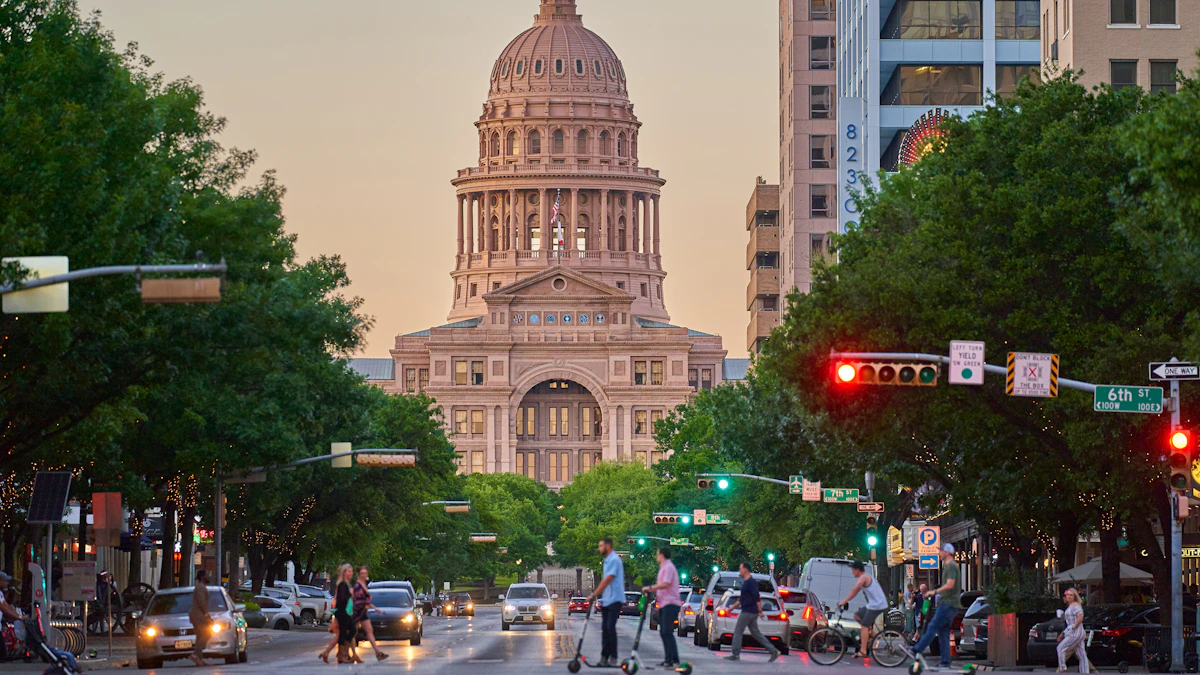
Bills for the 90th Legislature can be prefiled starting Nov. 9, the session convenes Jan. 12, 2027, the filing deadline is March 12 and the session ends May 31. Most of the power to stop or advance a bill sits in committees, and committee hearings are open to public testimony. Promises made on the campaign trail are only as good as the votes that follow, so the most useful habit is to write the promise down and check it against the roll call.
The 2027 Calendar to Mark Now
Texas lawmakers meet in regular session for 140 days every other January. The dates below come from the Texas Constitution’s session schedule as summarized by Texas Policy Research’s legislative calendar; confirm them against the official calendar on Texas Legislature Online as the session approaches.
| Date | What happens | Why it matters for cannabis |
|---|---|---|
| Nov. 9, 2026 | Prefiling of bills opens | First look at new ban, regulation, tax and medical-access bills. More than 1,500 bills were filed on the first prefiling day in 2024. |
| Dec. 8, 2026 | Hemp appeal argument canceled; to be reset | The Fifteenth Court of Appeals dropped the hearing after voters replaced its justices, so a ruling now falls to the new panel. See our explainer. |
| Dec. 11, 2026 | Federal hemp redefinition takes effect | Changes what hemp products can be sold nationwide. See what it means for buyers. |
| Jan. 12, 2027 | 90th Legislature convenes | Members choose the House speaker and adopt rules; Senate rules decide how much power the lieutenant governor keeps. |
| Mar. 12, 2027 | Deadline to file most bills | After this date most new bills cannot be considered without special action. |
| May 31, 2027 | Last day of the regular session | Bills that have not passed both chambers are dead. Governors can veto bills after the session ends, when no override vote is possible. |
Only the governor can call a special session, and the governor sets its agenda. That is how the 2025 hemp fight continued after the regular session ended.
What the Election Changed, and What It Did Not
Our election results explainer covers each race. The parts that matter for planning your involvement:
- New officials take office in January. Until then, the current governor and lieutenant governor remain in place, and the state’s rules on THCA stay as they are.
- Promises are not votes. The governor-elect voted against the 2025 ban each time it came to a decisive House vote and has backed a regulated market, but in the sources we reviewed she has not made a formal pledge to veto a ban. A statement on a questionnaire, a campaign slogan and a signed pledge are three different things.
- The legislature is still a team sport. The AP has called Democratic control of the Texas House, while Republicans retain the Senate. A governor cannot pass bills alone, and the lieutenant governor’s powers come largely from rules senators adopt each session. A cannabis bill must still clear both chambers.
- Medical access runs on separate rules. Hemp rules do not change the Compassionate Use Program. See our Texas medical marijuana card guide.
How a Bill Becomes Law, and Where It Usually Dies
A member files a bill, the presiding officer refers it to a committee, and the committee chair decides whether to schedule a hearing. If the committee votes it out, it goes to the floor of that chamber, then through the same steps in the other chamber, and finally to the governor. Most bills never leave committee. That makes two things worth knowing: who chairs the committees that handle hemp, agriculture, health and criminal justice, and when your own representative sits on one. Committee assignments are announced after the session begins.
Seven Ways to Take Part Between Now and May
- Find your two lawmakers. Every Texan has one state representative and one state senator. Use the CannaWize Texas Cannabis Action Center to look them up from the Legislature’s official data, review their contact information and prepare an editable constituent email.
- Track the bills. Texas Legislature Online lets you search bills, watch committee schedules and, with a free My TLO account, save bill lists and get alerts when a bill moves. Create the account before prefiling starts.
- Read the record before the pitch. The same site has votes by legislator. Our 2026 voter guide lists each candidate’s 2025 hemp votes drawn from the House and Senate Journals.
- Contact them with one specific ask. “Will you support or oppose HB or SB (number) and why?” gets a better answer than a general opinion. Call the Capitol office during the session and the district office any time, give your address so staff know you are a constituent, and ask for a written reply.
- Testify or register a position. Committee hearings take public testimony on most bills. According to Texas Standard’s guide to testifying, registration happens at the Capitol, with differences between the House and the Senate. House witnesses can register electronically; some Senate committees use paper forms. Testimony is usually limited to a few minutes, and you can also register a position without speaking. Procedures can change, so read the hearing notice and ask the committee clerk.
- Ask in public. Town halls, candidate forums and local party or chamber of commerce meetings put promises on the record. A question asked in a room with a recording is harder to walk back than a private email.
- Follow the money. The Texas Ethics Commission’s campaign finance search shows reports filed by candidates, officeholders and political committees, so you can see who funds the people deciding hemp and cannabis bills.
Keep Score: A Simple Accountability Sheet
The most effective accountability tool is a spreadsheet. For each lawmaker you care about, keep one row per promise and fill in four things: what was said, where it was said, what the bill or vote was and what happened. Capture the source (a link or screenshot with a date) the day you find it, because campaign pages get edited.
| Column | Example |
|---|---|
| The promise | “Supports a regulated hemp marketplace with age limits.” |
| Source and date | Candidate questionnaire or interview, with a link and the date you saved it. |
| The test | Bill number and the specific vote, such as an amendment, second reading or final passage. |
| The result | Yes, no, absent or “paired.” Check whether a missed vote came with a journal statement. |
Details matter. In 2025, several lawmakers voted differently on the ban amendment, second reading and final passage, and one lieutenant governor-elect missed the final roll call and filed a statement that she would have voted no. Record each step, not just the headline vote. And judge by the same standard for every official, whichever side of the issue they are on.
What to Watch in the First 100 Days
- The first week of prefiling. Look for bills that rewrite the hemp program, set taxes or licensing, change penalties or expand the medical program.
- Committee chairs. The House speaker and the lieutenant governor choose who leads the committees that decide which bills get hearings.
- The courts. The December appeal and the federal deadline may change the baseline before bills reach the floor.
- The governor’s priorities. Watch the inaugural address and any emergency-item designations, which can speed bills in the first 60 days.
Sources
- Texas Legislature Online: bill search, committee schedules, witness registration, My TLO alerts and votes by legislator
- Texas Legislature, Who Represents Me
- Texas Ethics Commission, campaign finance report search
- Texas Standard, how to testify before lawmakers at the Capitol
- Texas Policy Research, legislative calendar
- Legislative Reference Library, first-day prefiling statistics, 89th Regular Session
- CannaWize, Texas election results and hemp THC and 2026 voter guide