AUSTIN, Texas | November 14, 2026 The Drug Enforcement Administration is proposing to raise the amount of ibogaine that can be legally produced in the U.S. next year from 210 grams to 12,002 grams, and MDMA from 12,000 grams to 33,296 grams. Psilocybin would rise too. The proposal, published in the Federal Register on Nov. 10, keeps marijuana research quotas flat and says a separate notice will set quotas for state-licensed medical cannabis now in Schedule III. Public comments are due Dec. 10.
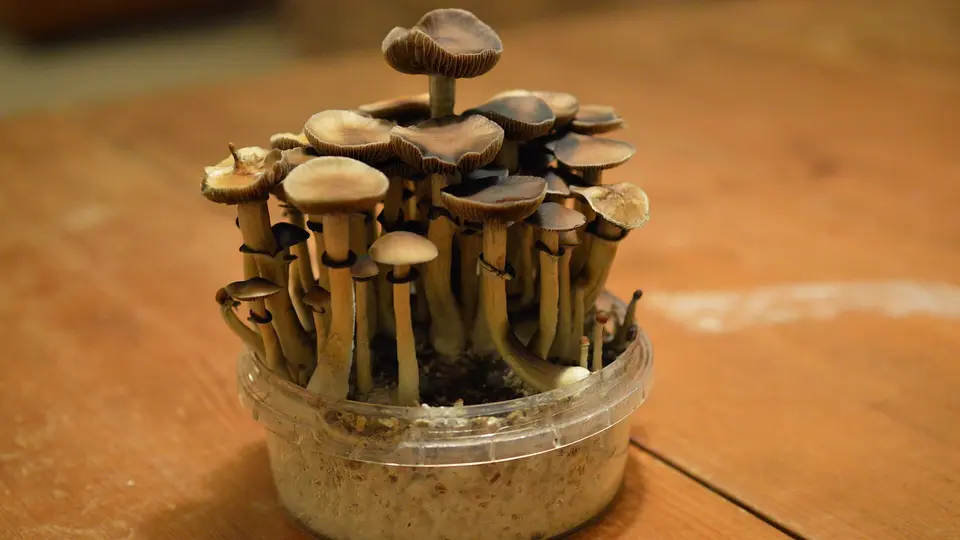
The notice, Federal Register document 2026-22843 (Docket No. DEA-1730P), was published Nov. 10, 2026. Electronic comments must be submitted by 11:59 p.m. Eastern on Dec. 10, 2026. These are proposed quotas. The DEA sets final numbers after the comment period.
The Proposed 2027 Numbers
| Substance | 2026 | Proposed 2027 |
|---|---|---|
| Ibogaine | 210 g | 12,002 g |
| MDMA | 12,000 g | 33,296 g |
| Psilocybin | 50,000 g | 60,000 g |
| Psilocyn | 80,000 g | 93,600 g |
| Marijuana (Schedule I research) | 6,675,000 g | 6,675,000 g (unchanged) |
| Marijuana extract | 1,000,000 g | 1,000,000 g (unchanged) |
| Delta-9-THC | 1,523,040 g | 1,523,040 g (unchanged) |
| All other THC | 1,166,130 g | 1,166,130 g (unchanged) |
Figures are as reported by Marijuana Moment from the DEA filing. The DEA said the higher MDMA and ibogaine quotas support “the increased level of research and clinical trials being conducted with these substances for potential treatment of conditions including post-traumatic stress disorder (PTSD) and depression.”
Why the Jump
The DEA said the move “aligns with” President Donald Trump’s executive orders, including one signed in April focused on psychedelics research and access. Production quotas cap how much of a Schedule I or II substance registered manufacturers can make in a year. Higher quotas mean more material is available for clinical trials. They do not make any psychedelic legal to buy or use.
What It Means for Marijuana
Marijuana quotas in this notice apply only to cannabis that remains in Schedule I for research, and they stay at 2026 levels. State-licensed medical cannabis and FDA-approved marijuana products moved to Schedule III under the April order, and the DEA has assigned them new drug codes. The agency said it is still registering manufacturers and distributors for those products and assessing data to estimate legitimate need. “A separate notice will be published in the Federal Register once the proposed APQs for the schedule III substances…are determined,” the DEA said. Our Schedule III explainer and Nov. 29 registration deadline story cover where Texas operators stand.
The Texas Connection: Ibogaine
Texas has its own stake in ibogaine. Gov. Greg Abbott signed Senate Bill 2308 in June 2025, putting $50 million toward ibogaine research. In March 2026, after state officials could not find a drug company partner, Lt. Gov. Dan Patrick and House Speaker Dustin Burrows announced that Texas would run its own research program with state medical researchers, the Texas Tribune reported. UTHealth Houston and UTMB Health were awarded the $50 million to lead a multicenter trial called IMPACT, according to a Texas Medical Center release. A larger national ibogaine quota could ease supply for trials like it.
How to Comment
Anyone can comment on the proposal at Regulations.gov under Docket No. DEA-1730P, or by mail postmarked by Dec. 10, 2026, following the instructions in the Federal Register notice. Comments that cite research needs or supply data tend to carry more weight than general support or opposition.
The ibogaine increase is the standout: from 210 grams to more than 12 kilograms. For cannabis, the bigger news is the promised Schedule III quota notice. It will be the first time the DEA sets production levels for state-licensed medical cannabis, and Texas operators registering with the agency will be watching it.
Frequently Asked Questions
What did the DEA propose for 2027 psychedelic quotas?
Higher legal production of ibogaine (210 g to 12,002 g), MDMA (12,000 g to 33,296 g), psilocybin (50,000 g to 60,000 g) and psilocyn (80,000 g to 93,600 g).
Does this make psychedelics legal?
No. Production quotas cap how much registered manufacturers can make for research and medical purposes. They do not change legal status.
What happens to marijuana quotas?
Schedule I research quotas for marijuana stay at 2026 levels. The DEA will publish a separate notice for state-licensed medical cannabis now in Schedule III.
When is the comment deadline?
Electronic comments must be submitted by 11:59 p.m. Eastern on Dec. 10, 2026, under Docket No. DEA-1730P.
Is Texas funding ibogaine research?
Yes. Senate Bill 2308, signed in June 2025, put $50 million toward ibogaine research. UTHealth Houston and UTMB Health were awarded the funds to lead a trial called IMPACT.
Sources
- Federal Register, Nov. 10, 2026, doc. 2026-22843: notice, docket and comment deadline
- Marijuana Moment, Nov. 9, 2026: quota figures and DEA quotes
- Texas Tribune, March 31, 2026: Texas ibogaine research program
- Texas Medical Center: UTHealth Houston and UTMB Health award
- Wikimedia Commons: lead photo by Cannabis Pictures, CC BY 2.0
