AUSTIN, Texas | November 14, 2026 A gram of medical cannabis oil in Texas costs $90, sold as two $45 half-gram cartridges, with the vape battery extra. In New Mexico, the median 1 g cartridge on dispensary menus is about $20. In Louisiana it runs $60 to $70, and in Oklahoma $20 to $45. Texas has three licensed sellers, bans flower, and no insurer pays for any of it. We compared prices across states, and we also lay out what the data cannot show, because no operator has published its costs.
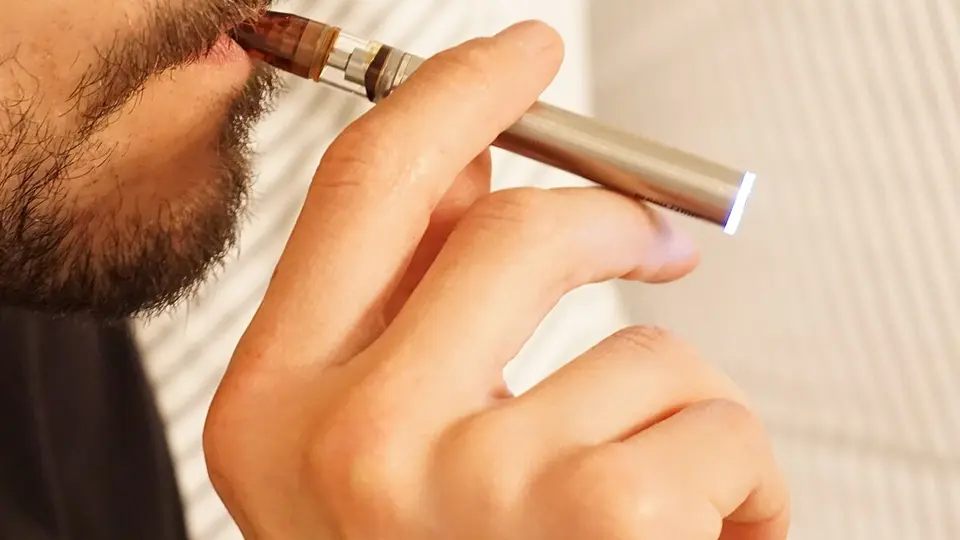
- Texas Original lists 0.5 g cartridges at $45, so a gram of oil is $90. Its 1 g all-in-one device is listed at $100, battery included.
- A 1 g cart costs about $20 in New Mexico, $60 to $70 in Louisiana, $20 to $45 in Oklahoma and $5 to $35 in Michigan.
- Three companies are licensed to sell in Texas today. Flower is not allowed.
- In New Mexico, which does not cap licenses, the average price of a gram of vape oil fell 74% in under three years.
What a Gram Costs in Texas
Texas Original, one of the three operators, lists five 0:1 (THC-only) vaporization cartridges at $45 each on its vaporization page. Each holds 0.5 g of oil and carries 423 to 456 mg of THC, delivering 3 to 5 mg per draw. Batteries are sold separately at $10 and $20.
| Product | Size | THC | Price |
|---|---|---|---|
| Vaporization cartridge (OG Kush) | 0.5 g | 456 mg | $45 |
| Vaporization cartridge (Zelato) | 0.5 g | 432 mg | $45 |
| Vaporization cartridge (Rainbow Belts) | 0.5 g | 425 mg | $45 |
| Vaporization cartridge (Blackberry Kush) | 0.5 g | 440 mg | $45 |
| Vaporization cartridge (Blue Dream) | 0.5 g | 423–454 mg | $45 |
| Battery (M4B Pro / Palm Pro) | — | — | $10 / $20 |
| 1 g all-in-one (Hill Country Sunset, Marfa Lights, Padre Pineapple) | 1 g | about 837–866 mg | $100, battery included |
Two half-gram carts cost $90 in oil. A first-time buyer adds a battery and pays $100 to $110. The 1 g all-in-one is $100. See our report on the 1 g launch and our half-gram cartridge review. Prices and inventory vary by location and change, and the $100 all-in-one price matches Texas Original’s Fort Worth store listing, which we checked Nov. 14.
How Texas Compares
| State | 1 g vape cart, retail | Texas vs. state | Market notes |
|---|---|---|---|
| Texas | $90–$100 | — | Three licensed operators; flower not allowed |
| New Mexico | About $20 median ($10–$39) | About 4.5–5x | No license cap; medical purchases exempt from excise tax |
| Louisiana | $60–$70 | About 1.3–1.6x | Limited pharmacy market; flower allowed, averaging about $12 a gram |
| Oklahoma | $20–$45 | About 2–5x | Open licensing; large dispensary count |
| Michigan | $5–$35 | About 3–18x | Medical flower averaged $2.75 a gram in June 2026, per the state’s regulator as cited by MMJ.com |
These are retail menu ranges from MMJ.com’s July 2026 price surveys, a commercial telehealth company, and from CannaiQ’s New Mexico menu data covering 312 dispensaries. They are not state-published averages, and quality tiers differ. Louisiana is the closest to Texas, and it is also a limited-license market. Even so, Louisiana carts are 30% to 50% cheaper.
What New Mexico Shows
New Mexico does not cap the number of cannabis licenses. A study by the state’s Cannabis Control Division, as summarized by CannaiQ, analyzed more than 85 million retail sales records. It found the weighted average price of a gram of vape oil fell from $72.57 in April 2022 to $18.68 in February 2025, a 74% drop, before sales and excise tax. The researchers attributed the declines to market efficiency and heavy competition from the large number of licensed operators.
The April 2022 price is close to what Texas patients pay now. That comparison does not prove Texas prices would fall the same way, because the states differ in market size, taxes and product rules. It does show what happened in a neighboring state when many sellers entered. Medical cannabis in New Mexico is also exempt from the cannabis excise tax, and the state Department of Health charges no enrollment fee.
What Drives the Texas Price
A closed market
Three companies hold active licenses: Fluent (#0004), Texas Original (#0005) and goodblend (#0006). House Bill 46 took effect Sept. 1, 2025 and raised the cap to 15 licenses. DPS named nine conditional licensees on Dec. 1, 2025, and they must clear due diligence before they can serve patients. Until they do, most Texas patients have a few places to buy.
High license costs
| DPS fee | Amount |
|---|---|
| Dispensing organization license, two-year term | $488,520 |
| Biennial renewal | $318,511 |
| Application (non-refundable) | $7,356 |
The license and renewal fees are on the DPS fee schedule. The fees favor well-capitalized companies. They do not by themselves explain a $90 gram. We could not find published cost-of-goods, grow, testing or margin data for any Texas operator. We have not received cost, grow or margin data or a pricing response from Texas Original, Fluent or goodblend as of publication.
One cost has changed this year. A federal order signed April 23, 2026 moved marijuana under a state medical license to Schedule III, and as we reported, state-licensed medical operators are no longer subject to the Section 280E tax restriction. We have not seen price data showing whether that has changed what patients pay.
Limited product forms
Flower is not allowed under the program. Products are capped at 10 mg of THC per dose and 1,000 mg of THC per package, according to MMJ.com’s summary of HB 46. A patient cannot switch to a cheaper form.
No insurance
Medicare, Medicaid and private plans do not cover state-licensed cannabis, so Texas patients pay in full. Federal rescheduling does not change that on its own, since FDA-approved cannabinoid drugs such as Epidiolex and dronabinol are the products insurers can cover. Patients also pay for the physician visit. One telehealth provider lists a Texas evaluation at $149.99. Texas has no state card fee, because the prescription lives in the CURT registry. Our state-by-state card cost guide covers other states.
What It Means for Patients
DPS’s patient count report shows 180,299 patients listed by their physicians in the registry as of October 2026. That is a lifetime count since 2017, not the number currently buying. DPS’s dashboard counted more than 60,000 active patients in September, as we reported.
For a patient who uses one 1 g device a month, the oil alone is $1,200 a year at $100 a device, before the physician visit. Buying cannabis outside the licensed program remains illegal in Texas. Patients outside the major metro areas rely on delivery or satellite pickup sites, and our dispensary guide lists current locations.
Limited licensing, a flower ban and no insurance combine to make Texas the most expensive place we checked to treat a qualifying condition with cannabis. The twelve new licenses are the clearest test. If conditional licensees start selling and prices do not move, the market structure is a stronger explanation than costs. We found no evidence of price-fixing or collusion, and we are not alleging any. Policy options include allowing flower, requiring price transparency and funding a patient assistance program.
Frequently Asked Questions
How much does a gram of medical cannabis oil cost in Texas?
Texas Original lists 0.5 g vaporization cartridges at $45 each, so a gram of oil is $90 before a $10 to $20 battery. Our launch coverage lists its 1 g all-in-one device, battery included, at $100.
Is Texas medical marijuana more expensive than New Mexico?
Yes. Dispensary menu data shows a median 1 g vape cartridge of about $20 in New Mexico, and the state's own price study put the average price of a gram of vape oil at $18.68 in February 2025. Medical purchases there are also exempt from the cannabis excise tax.
Does insurance cover medical marijuana in Texas?
No. Medicare, Medicaid and private plans do not pay for state-licensed cannabis. FDA-approved cannabinoid drugs such as Epidiolex and dronabinol are separate products and can be covered.
Can Texas patients buy cannabis flower?
No. The Compassionate Use Program does not allow flower. Patients are limited to the product forms the licensed operators make, including tinctures, gummies, topicals and vaporization products.
How many dispensing organizations can sell in Texas?
Three are operating: Fluent, Texas Original and goodblend. HB 46 raised the license cap to 15, and the state has named conditional licensees that have not yet cleared due diligence to sell.
Do I need a state medical card in Texas?
No. A Compassionate Use Program physician enters your prescription in the state registry, called CURT, and the dispensary verifies it with your photo ID.
Sources
- Texas Original, Vaporization: cartridge and battery prices, THC content
- Texas DPS Compassionate Use Program fee schedule: license and renewal fees
- Texas DPS Patient Count Report, October 2026: registry counts
- MMJ.com price surveys for Texas, Louisiana, Oklahoma and Michigan, July 2026
- CannaiQ New Mexico market page: menu prices and the Cannabis Control Division price study
- CannaWize: Texas Original 1-gram all-in-one launch
- CannaWize: federal rescheduling and Texas patients
- Wikimedia Commons: lead photo by Elsa Olofsson, CC BY 2.0
