North Carolina does not separately schedule THCA. Cannabis products that qualify as hemp under the state's current definition, including no more than 0.3% delta-9 THC by dry weight, may be sold and possessed. A federal total-THC definition scheduled for November 12, 2026 could exclude most high-THCA flower from hemp.
North Carolina has no state law that separately bans or schedules THCA. Under Senate Bill 762, signed in 2022, hemp and its derivatives are legal statewide as long as the product does not exceed 0.3% delta-9 THC by dry weight, the same line drawn by the 2018 federal Farm Bill. There is no dedicated state consumable-hemp retail license, no mandatory state third-party test for finished consumer products, and no state-set serving cap. That is the current rule. It is not necessarily the rule after November 12.
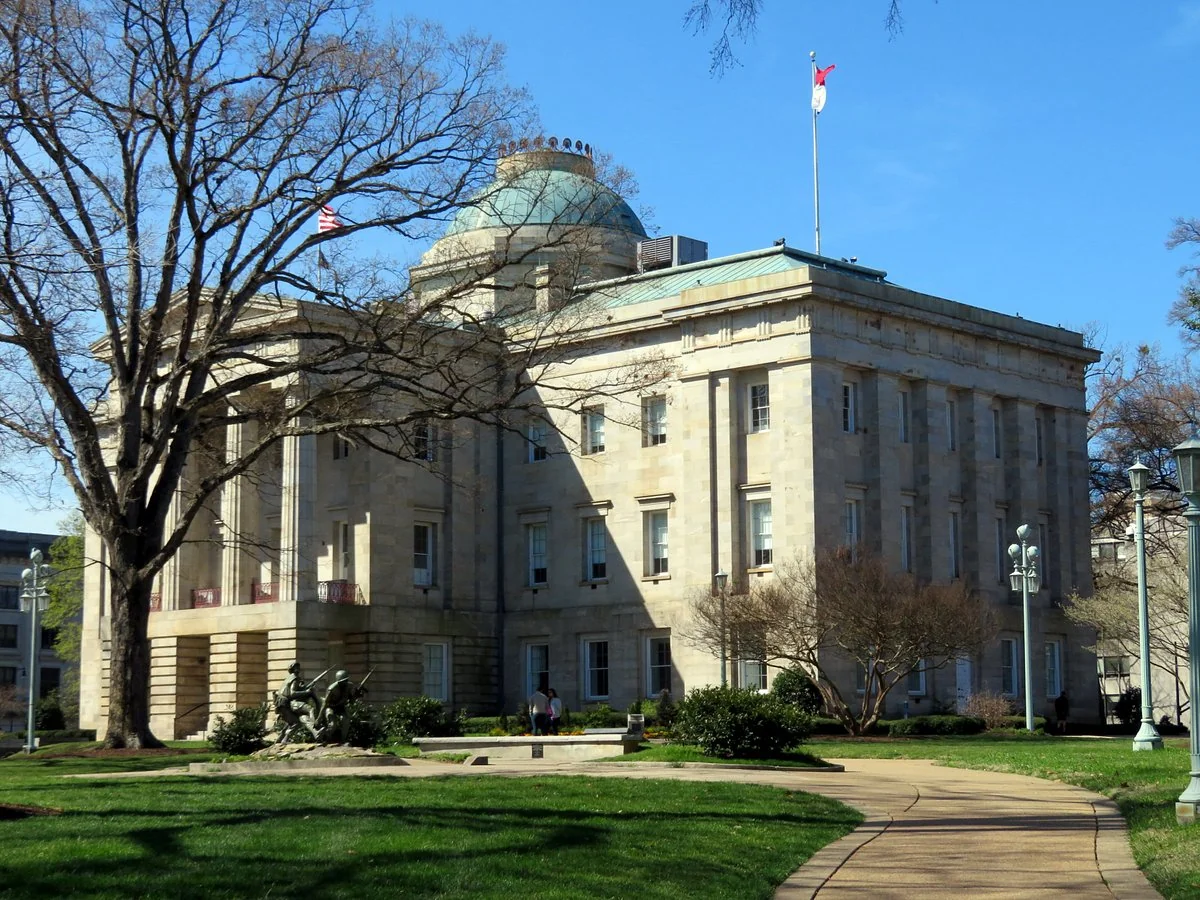
A federal law passed as part of the government-funding package that ended last year's shutdown replaces the delta-9-only hemp threshold with a "total THC" standard, effective November 12, 2026. Separately, North Carolina's own attempt to license and regulate hemp consumables, House Bill 607, has sat in a House committee without a hearing since April 2025, well past the July 1, 2026 date the bill's own sponsors targeted.
North Carolina THCA Rules Today vs. November 12
| Issue | Current rule | Scheduled November 12, 2026 change |
|---|---|---|
| Hemp threshold | No more than 0.3% delta-9 THC by dry weight under North Carolina's current framework. | The federal hemp definition is scheduled to use total THC, which includes THCA. |
| High-THCA flower | Can qualify as hemp when it meets the current delta-9 threshold. | Most high-THCA flower would exceed a total-THC threshold and fall outside the federal hemp definition. |
| State retail license | No dedicated North Carolina consumable-hemp retail license is currently in effect. | No automatic state license begins on this date; lawmakers or agencies could act separately. |
| Practical risk | Hemp may still be stopped or seized because field tests may not distinguish it from marijuana. | Classification and enforcement risk may increase if federal and state definitions diverge. |
Buying or shipping THCA in North Carolina?
Read the statewide ordering guide for retailer checks, batch-specific lab reports, shipping questions, and current shopping options.
What North Carolina Law Says Right Now
North Carolina's hemp framework runs through Senate Bill 762, enacted as Session Law 2022-55 after the Governor signed it on July 8, 2022. The law removed "industrial hemp" from the state's controlled-substance definition of marijuana and adopted the federal Farm Bill's definition of hemp: the Cannabis sativa plant and all its derivatives, extracts, and cannabinoids, provided the delta-9 THC concentration does not exceed 0.3% on a dry-weight basis. THCA, the non-intoxicating acidic precursor that converts to THC when heated, is not addressed separately.
Hemp cultivation itself is licensed federally rather than by the state. According to the North Carolina Department of Agriculture and Consumer Services, the state's original pilot-program licensing ended in mid-2022 when oversight of hemp growers shifted to the USDA's Domestic Hemp Production Program. That transition covers farming, not the retail sale of finished consumer products like THCA flower, vapes, or edibles, which is why North Carolina's retail hemp market currently operates without a dedicated state license or state-mandated testing regime.
The November 12 Federal Deadline That Could Upend the Market
Congress enacted the FY2026 agriculture appropriations act, Public Law 119-37, on November 12, 2025, as part of the deal that ended last year's government shutdown. According to the Congressional Research Service's summary of the change, the law replaces the 2018 Farm Bill's delta-9-only threshold with a "total THC" standard, one that counts THCA toward the 0.3% dry-weight limit rather than measuring delta-9 THC in isolation. A separate CRS analysis of the law's enforcement implications describes an additional cap: finished, market-ready hemp-derived cannabinoid products cannot contain more than a small fraction of a milligram of total THC per container to remain within the federal hemp definition. Both provisions take effect November 12, 2026.
The practical effect is significant. Raw THCA flower converts to well over 15% total THC once decarboxylated, meaning most current THCA flower, vapes, and high-potency edibles sold nationally would fall outside the federal hemp definition under the new standard, not because the law banned them by name, but because the math no longer works in their favor.
Here is the open question for North Carolina specifically: SB 762 ties the state's own hemp definition to the federal Farm Bill threshold, but it was written against the old delta-9-only standard. Whether North Carolina's statute automatically shifts to the new federal total-THC standard, or whether the state legislature has to act to align its own law, is not yet settled in the way agency guidance has settled the question in some other states. For comparison, CannaWize's coverage explains the separate federal hemp deadline, the Texas delta-8 schedule, and the state's broader THCA legal framework. Retailers and consumers should watch for updated guidance from North Carolina agencies or the General Assembly as the effective date approaches, rather than assume any other state's approach controls.
North Carolina's Own Hemp Bill Has Stalled
Separately from the federal change, North Carolina lawmakers have their own pending proposal to regulate hemp consumables. House Bill 607, filed in March 2025 by Representatives McNeely and Chesser, would create a new Chapter 18D of the state statutes and hand enforcement to Alcohol Law Enforcement. As introduced, it would require a $15,000 manufacturer license, reduced to $1,000 for operations grossing under $100,000 a year, plus separate retailer licensing, mandatory product testing, child-resistant packaging, and marketing restrictions that bar cartoon characters and candy-style branding aimed at minors. The bill would also cap solid edibles at 25 mg of THC per serving, cap liquid products at 10 mg per serving and 100 mg per package, and limit vape cartridges to 3 milliliters.
None of that is law yet. The bill targeted a July 1, 2026 effective date, a deadline that has already passed. As of this writing, HB 607 has sat in the House Rules Committee without a hearing since April 1, 2025, and no companion measure has advanced further. That leaves North Carolina's retail hemp market governed by SB 762's broader framework rather than by a dedicated licensing statute, at least for now.
The THCA Gray Area: Why a Stop Can Still Go Wrong
A product being legal on paper does not remove every practical risk. Hemp and marijuana come from the same plant, look and smell the same, and most roadside field tests detect the presence of THC broadly rather than distinguishing compliant, lab-verified THCA hemp from illegal marijuana. That gap has led to stops, searches, and temporary product seizures in states with THCA markets even when the product later proves compliant once a lab report comes back. Charges in those situations are often dropped, but the traffic stop, the seizure, and the delay are real costs in the meantime.
That risk is now clearer in North Carolina. The state Supreme Court has left another cannabis-odor conviction intact while preserving a totality-of-circumstances test. CannaWize's report on the North Carolina cannabis odor ruling explains what the decision means and why it does not make every odor-based search automatically lawful.
The safest practice is boring but effective: keep products in their original, labeled packaging, keep the batch-specific certificate of analysis with the product or readily accessible, and do not assume that legality under state law prevents a stop, a search, or a conversation with law enforcement that a compliant paper trail can shorten considerably.
What This Means for NC Shoppers and Retailers Right Now
- Today's purchase is legal under state law. THCA products sold under North Carolina's current 0.3% delta-9 framework are lawful to buy and possess as an adult, subject to normal age and product restrictions retailers set.
- That safe harbor narrows on November 12, 2026. Plan for most current THCA flower and high-potency products to fall outside the federal hemp definition once the total-THC standard and per-container cap take effect.
- Watch HB 607 and any companion bill. If North Carolina passes its own licensing statute, it could add state-specific serving caps and packaging rules independent of the federal deadline.
- Keep documentation with every purchase. A batch-specific certificate of analysis and original packaging are the fastest way to resolve a field question about a compliant product.
- Confirm before you rely on this. Statutes, agency guidance, and enforcement posture can all change before and after November 12. Verify the current text and talk to a North Carolina attorney before making a business, travel, or legal-risk decision.
Why the Wording Matters
"THCA is legal in North Carolina" is accurate today and incomplete for the rest of the year. The more precise version: North Carolina's 2022 hemp law does not separately ban or schedule THCA, the state has no retail license requirement while HB 607 remains stalled, and a federal total-THC standard set to take effect November 12, 2026 will likely exclude most current high-THCA products from the hemp definition that makes them legal in the first place. Because a court order, agency guidance, or a General Assembly vote could change any part of this before that date, readers making decisions with real stakes should confirm the newest primary source and consult qualified counsel rather than rely on a single article, this one included.
Clear answers
Frequently Asked Questions
Is THCA legal in North Carolina right now?
Under the state's current framework, North Carolina law removes qualifying industrial hemp from the controlled-substance definition of marijuana and uses the federal threshold of no more than 0.3% delta-9 THC by dry weight. THCA is not separately scheduled under that statute.
Can you buy THCA flower in North Carolina?
Adults can currently buy qualifying hemp-derived THCA flower from local hemp retailers or online sellers that ship to North Carolina. Product documentation and compliance still matter, and federal rules are scheduled to change November 12, 2026.
Can THCA be shipped to North Carolina?
Some online hemp retailers currently ship qualifying THCA products to North Carolina addresses. Confirm the retailer's current shipping policy, age requirements, and batch-specific certificate of analysis before ordering. See the North Carolina ordering guide for the complete checklist.
Is THCA legal in Charlotte, Raleigh, and Fayetteville?
North Carolina's state hemp definition applies statewide, including Charlotte, Raleigh, Fayetteville, Greensboro, Durham, Wilmington, and Asheville. Local enforcement practices can still vary, so keep products in original packaging with a batch-specific laboratory report.
Does North Carolina require a license to sell THCA products?
North Carolina does not currently have a state licensing system specific to consumable-hemp retail. House Bill 607 would create one, but it remains pending in the General Assembly.
Will THCA still be legal after November 12, 2026?
The enacted federal definition is scheduled to use a total-THC standard that counts THCA toward the dry-weight limit. Most current high-THCA flower would not meet that federal hemp definition, but North Carolina-specific guidance or legislation could affect how the change is applied in the state.
Can I get in trouble for carrying legal THCA in North Carolina?
It is possible. Hemp and marijuana can look and smell alike, and roadside field tests may not distinguish compliant hemp-derived THCA from marijuana. A stop or temporary seizure can occur while officers seek laboratory confirmation.
Is this article sponsored by a THCA brand?
No. This article contains no paid placements. CannaWize's separate shop directory discloses affiliate relationships where they appear.
Primary Sources
- North Carolina General Assembly: Senate Bill 762 / Session Law 2022-55
- North Carolina Department of Agriculture and Consumer Services: Hemp in NC
- North Carolina House Bill 607, as filed (Chapter 18D)
- Congressional Research Service: Changes to the Statutory Definition of Hemp and Issues for Congress
- Congressional Research Service: Change to Federal Definition of Hemp and Implications for Federal Enforcement