Check the botanical name, plant part and amount per serving, ask for a batch-matched lab report, treat GMP and testing badges as claims to verify, and ask a pharmacist about interactions.
Choosing a herbal supplement comes down to four questions: what exactly is in it, how much, what proof backs the quality claims, and whether it is safe for you. Federal agencies do not approve dietary supplements before they are sold, so a careful look at the label and the testing information is your main protection.
What regulators do and do not check
The FDA states that under the Dietary Supplement Health and Education Act of 1994, manufacturers and distributors are responsible for evaluating the safety and labeling of their products before marketing. The FDA can act against adulterated or misbranded products after they reach the market, but it is not authorized to approve dietary supplements for safety and effectiveness beforehand. NCCIH says the same and adds that the FDA cannot test every product on the market.
Supplement labels cannot claim to diagnose, treat, cure or prevent a disease. They may carry structure and function claims, which must be accompanied by the statement that the FDA has not evaluated the claim. So a supplement is not "FDA approved," and a label that implies it is should raise a flag.
How to read the Supplement Facts panel
- Serving size and servings per container. Everything else on the panel is per serving. Multiply to compare products.
- Amount per serving. For an herb, look for milligrams and the plant part, such as leaf, root or seed.
- Botanical name. The Latin name identifies the species. "Moringa" or "ashwagandha" alone is less precise than Moringa oleifera or Withania somnifera.
- Extract versus whole herb. An extract is concentrated, so milligrams of extract and milligrams of dried herb are not equivalent.
- Proprietary blends. A blend lists a total weight but may not tell you how much of each ingredient you are getting. That makes dose and cost comparisons unreliable.
- Other ingredients. Capsule material, fillers and flow agents appear here. Check for allergens.
The NIH Dietary Supplement Label Database (dsld.od.nih.gov) lets you look up label information for many products and compare a nutrient amount with government recommendations.
What third-party testing can and cannot tell you
Third-party testing means an outside laboratory analyzed a sample. LactMed notes that a manufacturer may contract with an independent organization to verify the quality of a product or its ingredients, but that does not certify the product's safety or effectiveness. Programs like the USP Dietary Supplement Verification Program involve auditing, review and testing, and a verification mark is more meaningful when you can confirm it on the program's own website. A mark also describes the product as it was evaluated, so check that the exact product is covered.
For seaweed products, where heavy metals and iodine vary, the report itself matters. Our guide to reading a lab report shows how to check batch numbers, test dates and measured values. The same steps apply to any herb.
What "GMP" means and does not mean
Current Good Manufacturing Practice rules for dietary supplements are in 21 CFR Part 111. They require manufacturers to operate a quality control system, establish specifications and verify the identity of each dietary ingredient before use. They also set requirements for what a supplier's certificate of analysis must contain if the manufacturer relies on one.
A "GMP" statement on a label is a company's claim that it follows those rules. It is a legal requirement, not an award, and it does not tell you the result of any test on the bottle you are holding. NCCIH notes that rules for making dietary supplements are less strict than those for prescription or over-the-counter drugs. Facility-level claims also differ from product-level results, so look for both.
Natural does not mean risk free
NCCIH is blunt: many supplements come from natural sources, but "natural" does not always mean "safe." Its example is kava, which can cause liver disease. NCCIH also reports more cases of acute liver injury linked to supplements, and notes that a manufacturer's use of words like "standardized," "verified" or "certified" does not necessarily guarantee quality or consistency.
It also reports that supplements may interact with medicines, with St. John's wort making many medications less effective as an example, and that some supplements may affect bleeding or anesthesia before surgery. Many have not been tested in pregnant or nursing women or in children.
An example: ashwagandha
NCCIH's page on ashwagandha shows the pattern. It says some preparations may help with insomnia and stress, that evidence for other uses is not strong, and that it should be avoided in pregnancy and is not recommended for people with autoimmune or thyroid disorders or who are about to have surgery. It also reports rare cases of liver injury and possible interactions with medicines for diabetes, high blood pressure, immune suppression, sedation, seizures and thyroid hormone replacement. A product can be well made and still be a poor choice for you.
Practical shopping checklist
- Botanical name, plant part and amount per serving are all on the label.
- No proprietary blend hides the amounts you care about.
- A batch-matched lab report is available without a special request.
- Any verification mark can be confirmed on the program's site.
- Claims on the label are about structure or function, not disease, and carry the FDA disclaimer.
- You have asked a pharmacist about interactions with medicines you take.
- You know how to report a problem: NCCIH points consumers to the HHS Safety Reporting Portal.
Where this fits on CannaWize
We list herbal products from our retail partner with their lab-evidence status stated plainly. Browse herbal supplements or herbal teas, and read our retailer profile to see which claims we verified. These examples show how a listing looks when the details are limited:
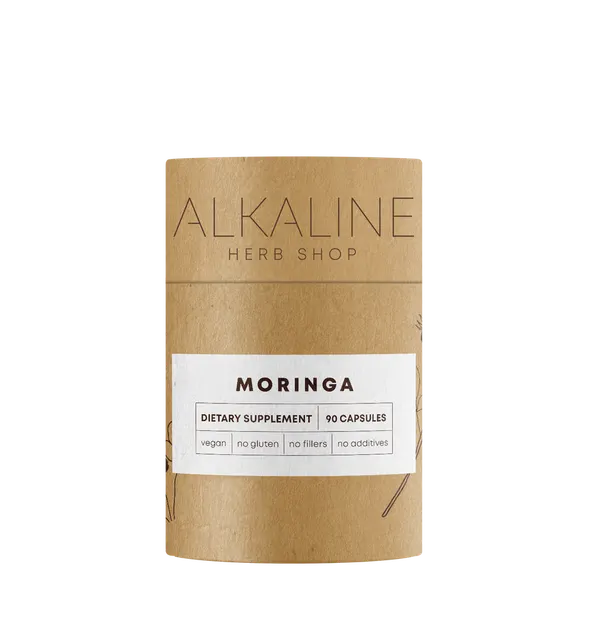
Moringa Capsules 90 Count (Moringa oleifera, Malunggay)
Moringa oleifera capsules, 90 per bottle. Check whether the label says leaf, seed or another part, and the milligrams per serving.
- Format: Capsules
- Size: 90 capsules
- Category: Herbal Supplements
- Price: $24.99 (checked November 3, 2026)
- Lab evidence: Lab results not reviewed by CannaWize
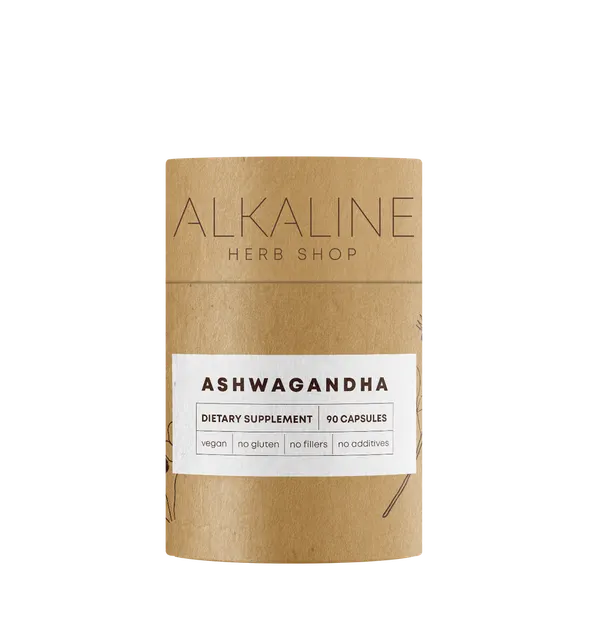
Ashwagandha Capsules, 90 Count Supplement (Ashwagandha Root)
Ashwagandha root capsules, 90 per bottle. NCCIH advises avoiding ashwagandha in pregnancy and says it may interact with several medicines, so ask a clinician first.
- Format: Capsules
- Size: 90 capsules
- Category: Herbal Supplements
- Price: $19.99 (checked November 3, 2026)
- Lab evidence: Lab results not reviewed by CannaWize
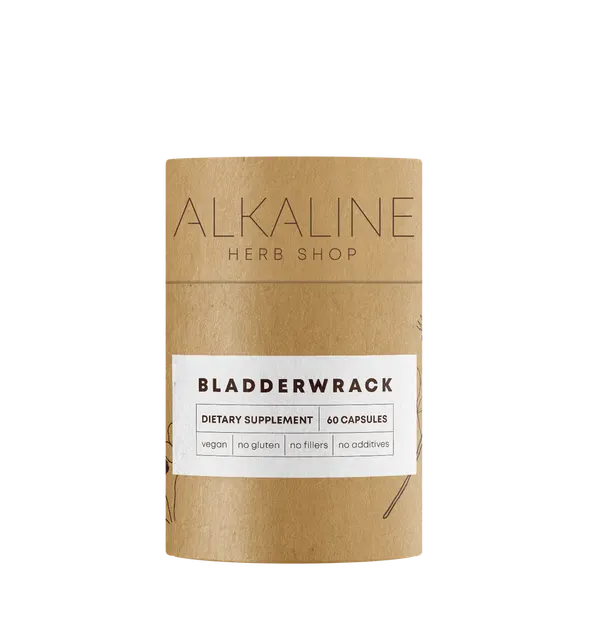
Bladderwrack Supplement 60 Capsules (Fucus vesiculosus)
Bladderwrack (Fucus vesiculosus) on its own, 60 capsules. Brown seaweeds can carry a lot of iodine, so serving size and your health situation matter. Listed as sold out on the retailer's page when we checked on November 3, 2026.
- Format: Capsules
- Size: 60 capsules
- Category: Herbal Supplements
- Price: $19.99 (checked November 3, 2026)
- Lab evidence: Lab results not reviewed by CannaWize
Affiliate disclosure: CannaWize may earn a commission if you buy through links on this page, at no extra cost to you. CannaWize does not sell these products. You complete your purchase on the retailer's website, and the retailer handles pricing, shipping and returns.
Frequently asked questions
Are herbal supplements FDA approved?
No. The FDA says firms are responsible for the safety and labeling of their supplements before marketing, and the agency can act against unsafe products after they reach the market. It is not authorized to approve supplements for safety and effectiveness beforehand.
What does GMP mean on a supplement label?
It is a company's claim that it follows the Current Good Manufacturing Practice rules in 21 CFR Part 111, which require quality control, specifications and identity verification of dietary ingredients. It is a legal requirement, not an award, and it does not report the result of any test on your bottle.
How can I tell if a supplement is really third-party tested?
Look for a lab report that names the product and lot, lists the tests and results, and names the lab. A verification mark, such as the USP program, should be confirmed on the program's own site. A logo alone is a claim.
Can herbal supplements interact with medicines?
Yes. NCCIH says supplements may interact with medications and gives St. John's wort as an example that makes many medicines less effective. Ask a pharmacist before combining supplements with prescriptions. Source: NCCIH.
Where can I report a problem with a supplement?
NCCIH points consumers to the U.S. Department of Health and Human Services Safety Reporting Portal for reporting safety concerns. Stop taking a supplement and contact your health care provider if you have side effects.
Sources and further reading
- FDA: Dietary Supplements
- FDA: Information for consumers on using dietary supplements
- NCCIH: Using Dietary Supplements Wisely
- NCCIH: Ashwagandha, usefulness and safety
- eCFR: 21 CFR Part 111, Current Good Manufacturing Practice for dietary supplements
- USP: Dietary Supplements Verification Program
- NIH Dietary Supplement Label Database
- NIH LactMed: Seaweed (kelp, bladderwrack)