Sea moss is a red alga and bladderwrack is a brown alga. Combining them adds two iodine sources, and human evidence for the pairing is limited, so check amounts per serving, iodine and lab results.
Sea moss and bladderwrack are two different seaweeds that are often sold together in one capsule. Sea moss (Chondrus crispus) is a red alga, and bladderwrack (Fucus vesiculosus) is a brown alga. Putting them in the same product combines two iodine sources, so the label, the serving size and the testing information matter more than the pairing itself.
The two ingredients
Sea moss. LactMed defines sea moss or Irish moss as Chondrus crispus, a red seaweed that contains carrageenan, other carbohydrates and minerals including iodine. It also notes possible heavy metal contamination and that no medicinal value has been proven.
Bladderwrack. LactMed's seaweed entry describes bladderwrack as the dried whole plant of Fucus vesiculosus and related Fucus species, which contain soluble fiber such as alginic acid, vitamin B12, iron and iodine, and can contain heavy metals such as arsenic, cadmium and lead. Some references call this group "kelp," which can confuse shoppers, so look for the Latin name.
Why products combine them
Sellers often point to a traditional pairing. The retailer we reviewed says the two have been paired in Caribbean and Irish tradition and cites that as the reason for combining them. That is a seller's statement about tradition. We found no human trial in the sources reviewed showing that the combination does anything the ingredients do not do separately. Treat the pairing as a product design choice, not a proven benefit.
What the evidence can and cannot establish
A 2021 review in Molecules examined clinical trials of brown seaweeds, including Fucus vesiculosus, for metabolic syndrome. It reported that the evidence base relies mainly on cell lines and small animal models, with few human studies to date. For Chondrus, a 2024 Marine Drugs review found most evidence in laboratory and animal work and limited clinical data. Neither review supports a claim that sea moss or bladderwrack treats a thyroid condition or balances hormones, and we do not make one.
NCCIH adds a general caution: supplements you buy can differ from the products used in studies, so even a positive trial of one extract would not transfer automatically to a capsule on a shelf.
Iodine is the central issue
Both seaweeds contain iodine, and brown seaweeds can be very high. In a published analysis, iodine in commercial seaweeds ranged from 16 to over 8,000 micrograms per gram across species. The retailer we reviewed states that bladderwrack typically runs higher in iodine than sea moss. NIH sets an adult upper limit of 1,100 micrograms a day from all sources and warns that people with thyroid disease may react to lower amounts. A case report described transient hyperthyroidism in a woman with no prior thyroid disease after she took kelp tablets.
That is the reason we recommend reading our iodine guide before any combined product. Anyone who is pregnant, breastfeeding, has a thyroid condition or takes thyroid medication should speak to a clinician first.
What to check on a sea moss and bladderwrack label
- Amount of each seaweed. Prefer a label that states milligrams of each rather than a combined weight.
- Iodine per serving. Look for a measured number, then compare it with the 150 microgram recommended intake and the 1,100 microgram limit.
- Serving size. Check how many capsules make a serving and how many servings a bottle holds.
- Botanical names. Both Chondrus crispus and Fucus vesiculosus should appear.
- Lab report. It should match your lot and list heavy metal values. See our lab report guide.
- Other ingredients. Capsule material and any fillers should be listed.
Formats compared
| Option | What it contains | Consideration |
|---|---|---|
| Combined capsule | Sea moss and bladderwrack together | One serving adds both seaweeds' iodine. Check the label for each amount. |
| Sea moss capsule alone | Chondrus crispus only | A simpler label. Still contains iodine. |
| Bladderwrack capsule alone | Fucus vesiculosus only | Brown seaweed. Pay particular attention to iodine. |
| Raw or powdered sea moss | Dried Chondrus crispus | Flexible, but serving size and iodine are harder to know. |
Our format comparison covers the differences in more detail.
Products from our retail partner
These listings are from Alkaline Herb Shop, our affiliate retailer. The 200-count product's retailer lab summary reports iodine for one lot, and we describe what that does and does not show in our product information guide. We have not tested any of these products. Read the retailer's own claims alongside our retailer profile.
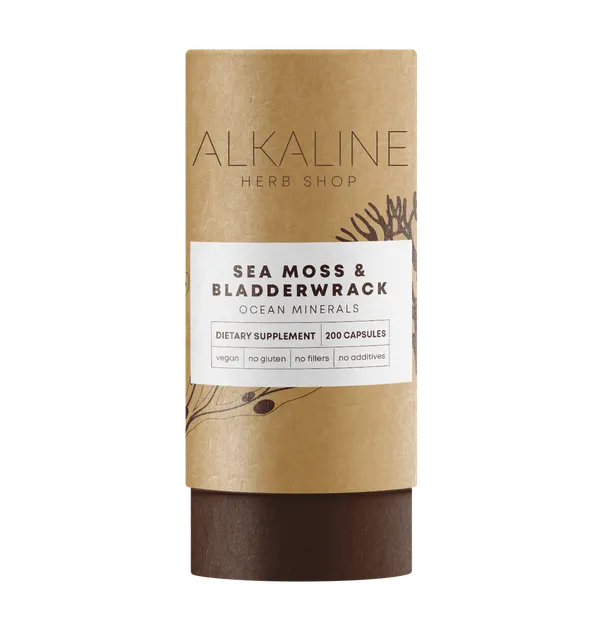
Sea Moss & Bladderwrack Supplement 200 Capsules
Capsules that pair Irish sea moss with bladderwrack, 900 mg of each in the three-capsule serving the retailer lists. High in iodine by the retailer's own numbers.
- Format: Capsules
- Size: 200 vegetable capsules
- Category: Sea Moss
- Price: $49.99 (checked November 3, 2026)
- Lab evidence: Merchant states third-party testing. CannaWize has not reviewed the results.
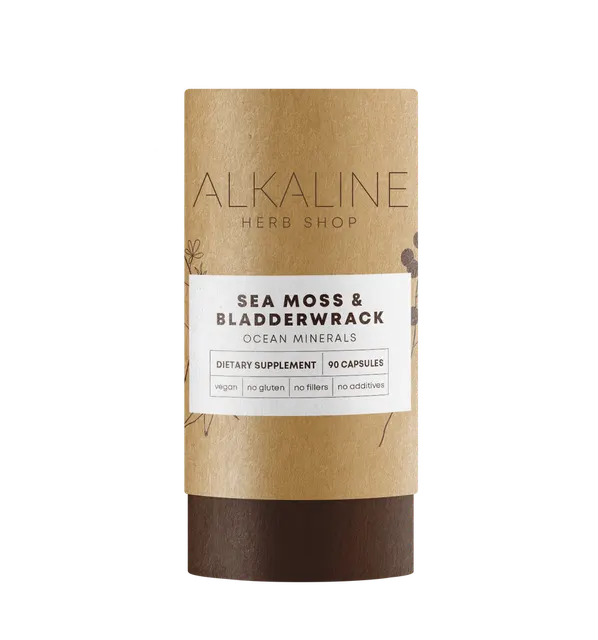
Sea Moss & Bladderwrack 90 Capsules
A smaller 90-capsule bottle that combines sea moss and bladderwrack. Check the label for the amount of each seaweed and the iodine per serving before comparing it with the 200-count size.
- Format: Capsules
- Size: 90 capsules
- Category: Sea Moss
- Price: $29.99 (checked November 3, 2026)
- Lab evidence: Lab results not reviewed by CannaWize
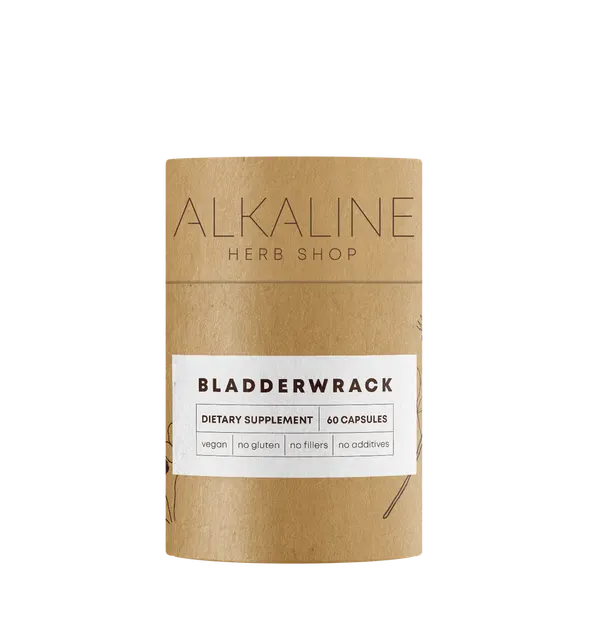
Bladderwrack Supplement 60 Capsules (Fucus vesiculosus)
Bladderwrack (Fucus vesiculosus) on its own, 60 capsules. Brown seaweeds can carry a lot of iodine, so serving size and your health situation matter. Listed as sold out on the retailer's page when we checked on November 3, 2026.
- Format: Capsules
- Size: 60 capsules
- Category: Herbal Supplements
- Price: $19.99 (checked November 3, 2026)
- Lab evidence: Lab results not reviewed by CannaWize
Affiliate disclosure: CannaWize may earn a commission if you buy through links on this page, at no extra cost to you. CannaWize does not sell these products. You complete your purchase on the retailer's website, and the retailer handles pricing, shipping and returns.
Frequently asked questions
What is the difference between sea moss and bladderwrack?
Sea moss (Chondrus crispus) is a red seaweed. Bladderwrack (Fucus vesiculosus) is a brown seaweed that LactMed says contains fiber such as alginic acid, vitamin B12, iron and iodine, and may contain heavy metals. See the LactMed seaweed entry.
Does bladderwrack treat thyroid problems?
No evidence in the sources we reviewed supports that. A 2021 review of clinical trials found the evidence base for Fucus vesiculosus relies mainly on cell and animal studies, and iodine from brown seaweed can itself affect thyroid function.
Why are sea moss and bladderwrack sold together?
Sellers cite traditional pairing. We found no human trial showing the combination does more than the ingredients separately, so treat it as a product design choice.
Is it safe to take sea moss and bladderwrack every day?
That depends on the iodine and contaminant content of the product, the serving size and your health. Two seaweeds mean two iodine sources, so check the measured iodine per serving against the 1,100 microgram adult upper limit, and ask a clinician if you have a thyroid condition, are pregnant or breastfeeding, or take medication.
What should I check on a sea moss and bladderwrack label?
The milligrams of each seaweed, the iodine per serving, the serving size, both Latin names, the other ingredients, and whether a lab report for your lot is available.
Sources and further reading
- NIH LactMed (Drugs and Lactation Database): Sea Moss
- NIH LactMed: Seaweed (kelp, bladderwrack)
- Keleszade et al., Molecules 2021: Clinical efficacy of Ascophyllum nodosum and Fucus vesiculosus in metabolic syndrome, a review of clinical trials
- Park et al., Marine Drugs 2024: Chemical constituents and biological properties of Chondrus species
- Teas et al., Thyroid 2004: Variability of iodine content in common commercially available edible seaweeds
- NIH Office of Dietary Supplements: Iodine, health professional fact sheet
- Gherbon et al., Medicine 2019: Transient hyperthyroidism following ingestion of kelp seaweed supplements, a case report
- NCCIH: Using Dietary Supplements Wisely
- Retailer product page: Sea Moss & Bladderwrack 200 capsules (Alkaline Herb Shop)