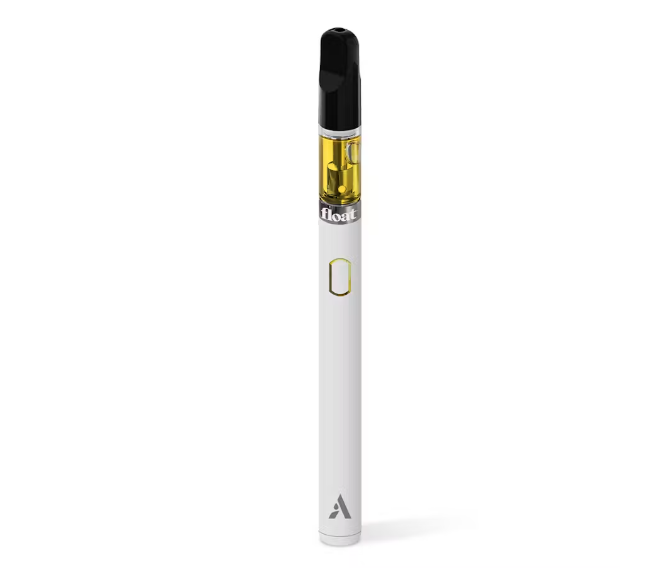
Bottom line: After trying five half-gram medical vape cartridges across two Texas dispensaries, I preferred Texas Original. Its OG Kush and Blue Dream cartridges felt stronger, stayed noticeable longer and helped my chronic back pain more than the Goodblend Float Texas Peach, Tangie Kush and Gelato carts. The Float products were more overtly flavorful. This is a personal comparison, not a clinical test or a promise that another patient will get the same result.
What I Compared
| Dispensary and brand | Products tried | Format | My overall impression |
|---|---|---|---|
| Texas Original | OG Kush (hybrid), Blue Dream (sativa) | 0:1, 0.5 g cartridges | Stronger and longer-lasting for me, with flavor that felt closer to the named strain. |
| Goodblend / Float | Texas Peach (hybrid), Tangie Kush (hybrid), Gelato (indica) | 0.5 g distillate cartridges | More flavor-forward, but less effective for my chronic back pain. |
The product details align on the broad format but not every specification. Texas Original currently describes OG Kush as a 0.5 g cartridge with earthy and peppery notes and Blue Dream as pine-forward with herbal undertones. Both use a separate Texas Original metered-dose battery.
Goodblend's menus identify Texas Peach, Tangie Kush and Gelato as 0.5 g Float distillate cartridges. The menus emphasize fruit, tropical or dessert-style flavor descriptions and state that the cartridge and battery are sold separately. Prices, batch potency and availability vary by location and date.
Where Texas Original Pulled Ahead for Me
The clearest difference was not the first few minutes; it was how the sessions developed. Texas Original produced a more substantial effect for me and the useful portion of that effect lasted longer. With chronic back pain, that mattered more than how exciting the first inhale tasted.
OG Kush felt more body-forward and grounded, consistent with the personal notes in my full OG Kush review. Blue Dream felt brighter and more functional, as detailed in my Blue Dream review. In both cases, the flavor reminded me more of the expected strain profile than a deliberately flavored vape.
That does not establish that Texas Original uses a universally superior formula. I did not blind the products, match inhaled THC milligram for milligram, repeat a fixed number of sessions or control sleep, activity and daily pain level. Familiar strain names could also shape expectation. My conclusion is narrower: among the specific cartridges I bought and used, Texas Original was the better fit for me.
Where Float Stood Out
Float delivered more obvious flavor. Texas Peach was distinctly sweet and fruit-forward. Tangie Kush leaned tropical and citrusy. Gelato had the richest dessert character of the three. Someone who values a bold, easy-to-identify flavor may prefer that approach.
For me, however, the flavor came with a tradeoff. The carts tasted vivid, but the effects felt less substantial and did not last as long. I also did not get the same degree of relief from the background ache and stiffness in my back. A pleasant flavor can make a product enjoyable to inhale, but it is not a substitute for the outcome a patient is trying to track.
What the Label Could Not Explain About My Experience
Goodblend's product pages showed approximately 89% to 92% THC for the location-specific batches reviewed during reporting. Texas Original's Blue Dream listing showed a mid-80s percentage on one current batch, while its OG Kush listing emphasized a 456 mg cartridge rather than displaying a percentage in the page text. Yet my experience favored Texas Original.
The menu numbers did not match my subjective ranking. That does not make the laboratory results wrong; the tests describe the oil, while I was comparing how complete sessions felt. Concentration is not the same thing as delivered dose, hardware performance, duration or personal fit.
Hardware behavior, airflow, draw duration, terpene formulation, individual metabolism, tolerance and dose timing can all influence a session. Because these products were not compared in a controlled crossover study, the label data cannot explain exactly why one brand worked better for me.
What Texas Patients Should Take From This
Choose around a treatment goal, then keep simple notes: product and batch, number of draws, onset, useful duration, pain before and after, unwanted effects and whether normal tasks remained manageable. Our Texas chronic-pain guide explains the difference between individual symptom tracking and proof that cannabis treats an underlying condition.
Both dispensaries require Texas Compassionate Use Program access and pulmonary-inhalation authorization for vape products. Check the current prescription, inventory and package before ordering; our Texas dispensary guide explains how the regulated program works. Do not drive while impaired, and discuss inhaled cannabis with a clinician if you use sedatives, anticoagulants or other medicines with interaction concerns.
Final Verdict
Texas Original wins my five-cart comparison. OG Kush and Blue Dream gave me the stronger, longer and more strain-faithful experience, and both were more useful for my chronic back pain. Goodblend's Float line wins on bold flavor, but Texas Peach, Tangie Kush and Gelato did not deliver enough effect or duration for what I needed.
My conclusion is not that lower THC is better or that Texas Original will beat Float for every patient. It is simply that Texas Original was the better purchase for me. For medical use, I care most about whether a product delivers a repeatable, tolerable result against the goal I am actually tracking.
Clear answers
Frequently Asked Questions
Which medical marijuana vapes worked better in this comparison?
Texas Original's OG Kush and Blue Dream cartridges felt stronger, lasted longer and provided more useful chronic back-pain relief for me than the three Goodblend Float cartridges tested. That is my individual experience, not a result every patient should expect.
Which brand tasted better?
Float delivered the boldest and sweetest flavors. I thought Texas Original tasted less candy-like and more faithful to the familiar character of the named strains.
Is this a clinical comparison?
No. This is my disclosed patient opinion based on firsthand use. I did not blind the products or match them draw for draw, and my observations should not be generalized to every patient.
Can Texas medical cannabis patients buy either brand's vapes?
Eligible Texas Compassionate Use Program patients need a prescription that specifically authorizes pulmonary inhalation. Confirm available milligrams, current inventory and dispensing requirements before ordering.