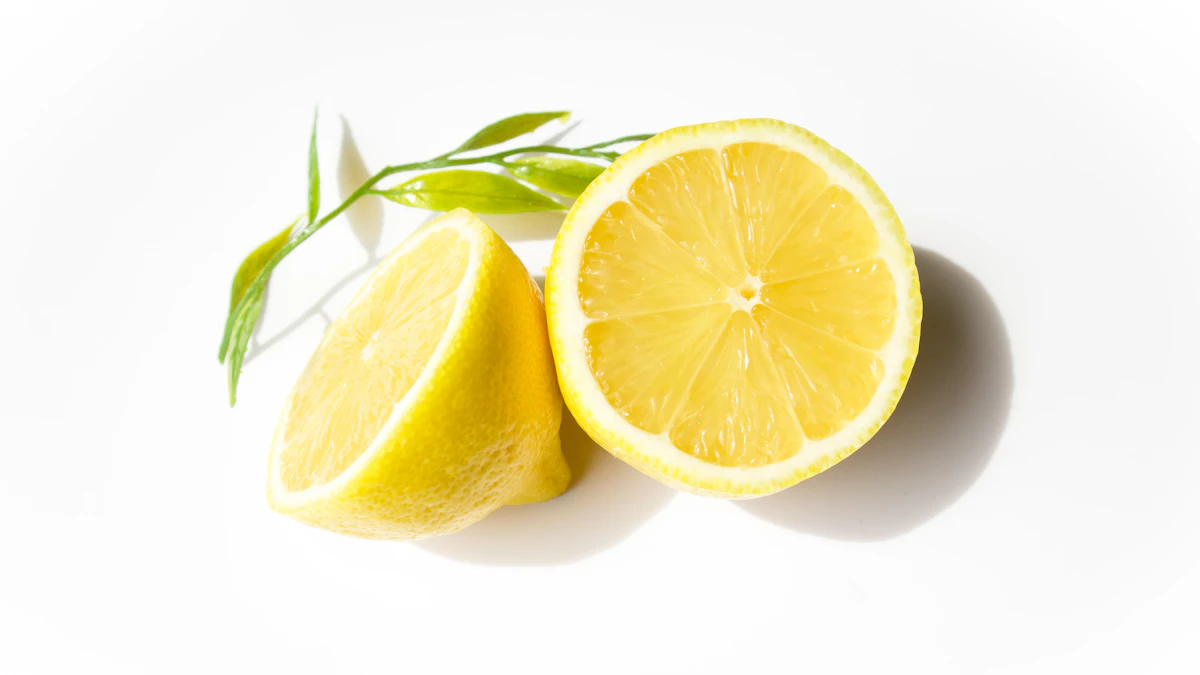
Limonene (d-limonene) gives citrus peel its smell and is common in cannabis. It is marketed as “uplifting.” Unlike most terpene claims, one has been tested in a controlled human trial: whether limonene can take the edge off THC-induced anxiety. The answer was a qualified yes.
In a 2024 double-blind Johns Hopkins study, 20 adults inhaled THC, limonene, both, or placebo. Limonene alone did nothing measurable. When 15 mg of limonene was inhaled with 30 mg of THC (tested in 12 participants), ratings of “anxious/nervous” and “paranoid” were significantly lower than with THC alone. Other THC effects, including impairment, did not change. It is one small study with a vaporized dose that is not how most products are made or labeled.
How the Study Worked
Researchers at the Johns Hopkins Behavioral Pharmacology Research Unit ran 20 healthy adults who use cannabis occasionally through nine double-blind outpatient sessions. In each, participants inhaled vaporized THC alone (15 or 30 mg), d-limonene alone (1 or 5 mg), the same doses combined, or placebo. A subset of 12 completed a tenth session with 30 mg THC plus 15 mg limonene. The team measured subjective effects, cognitive and motor performance, vital signs, and blood levels of THC and limonene. The results were published in Drug and Alcohol Dependence.
What It Found
| Condition | Result | What it means |
|---|---|---|
| Limonene alone (1 or 5 mg) | No effects that differed from placebo | Limonene by itself isn’t intoxicating at these doses |
| THC with 1 or 5 mg limonene | Anxiety-like ratings trended lower as limonene rose | A pattern, not a statistically clear effect |
| 30 mg THC with 15 mg limonene (12 people) | Significantly lower “anxious/nervous” and “paranoid” ratings than THC alone | The main finding |
| Other THC effects | Unchanged, including cognitive and physiological effects | Limonene did not make people less impaired |
Limonene also did not change how THC was absorbed, so the effect was not simply less THC reaching the blood.
Important Limits
- It is small. Twenty participants overall, and only 12 in the session that produced the clearest result.
- It was inhaled, at a measured dose. The authors say future research should test edibles and other oral forms. Most products don’t state milligrams of limonene per dose.
- It doesn’t reduce impairment. People felt less anxious, but other THC effects were unchanged. Limonene is not a way to drive or work safely after THC.
- Conflicts of interest are disclosed. The paper reports that Johns Hopkins filed a patent application on behalf of three authors for using d-limonene to reduce THC anxiety (filed after the trial concluded), and that co-author Ethan Russo advises a terpene company. The trial was registered on ClinicalTrials.gov before it started.
What About Limonene and Mood or Energy?
The “uplifting” label is mostly marketing. In the 2024 trial, limonene alone did not produce effects that differed from placebo. An older mouse study (2002) found limonene had some sedative and muscle-relaxing effects at high injected doses, the opposite of “energizing.” We found no controlled human trial showing that limonene in cannabis improves energy or mood.
What This Means for You
- If THC tends to make you anxious, the strongest evidence-based step is still a lower THC dose. See our cannabis and anxiety research review.
- A citrus-forward terpene profile is a reasonable preference, but a menu label won’t tell you whether a product contains anything like the 15 mg dose tested.
- Check the batch lab report for actual limonene levels. Our terpenes guide explains how to read the terpene panel.
Clear answers
Frequently Asked Questions
Does Limonene Reduce THC Anxiety?
In one 2024 Johns Hopkins trial, 15 mg of vaporized limonene inhaled with 30 mg of THC significantly reduced “anxious/nervous” and “paranoid” ratings compared with THC alone. The result came from 12 participants and needs to be repeated.
Does Limonene Get You High?
No. In the same trial, limonene alone at 1 or 5 mg produced no effects that differed from placebo.
Will Lemon Peel or Citrus Help With a Bad High?
That hasn’t been tested in a controlled study. The trial used a measured dose of pure vaporized d-limonene, which is different from smelling or eating citrus.
Does Limonene Make You Less Impaired by THC?
No. In the trial, limonene changed only anxiety-related ratings. Other subjective, cognitive and physiological THC effects were unchanged.
Sources
- Spindle TR et al., “Vaporized D-limonene selectively mitigates the acute anxiogenic effects of Δ9-tetrahydrocannabinol in healthy adults who intermittently use cannabis,” Drug and Alcohol Dependence, 2024
- do Vale TG et al., “Central effects of citral, myrcene and limonene, constituents of essential oil chemotypes from Lippia alba,” Phytomedicine, 2002
- Elder HJ et al., “A Critical Review of the Interactions Between Δ9-THC and Other Naturally Occurring Phytochemical Constituents of Cannabis sativa,” Current Neuropharmacology, 2026 (online ahead of print)
- André R et al., “The Entourage Effect in Cannabis Medicinal Products: A Comprehensive Review,” Pharmaceuticals, 2024