“Hemp-derived” did not mean milder in a new analysis of accidental edible exposures reported to U.S. poison centers. Among children age 5 and younger, cases involving delta-8 THC, delta-10 THC, THC-O and related hemp-derived cannabinoids had higher rates of respiratory depression, low blood pressure and critical-care admission than cases reported as delta-9 THC edibles. The study found no deaths in either group.
This was a retrospective analysis of poison-center reports, not a randomized trial. It can compare reported outcomes but cannot prove that hemp-derived chemistry alone caused the differences because dose, product verification and other case details were limited.
What the National Poison Data Study Found
The Journal of Pediatrics study examined single-substance cannabis-edible exposures reported from January 2023 through December 2024. Researchers identified 9,667 cases reported as delta-9 THC and 2,169 reported as hemp-derived cannabinoids, for 11,836 cases involving children age 5 and younger.
Respiratory depression appeared in 5.9% of hemp-derived cases and 4.6% of delta-9 cases. Hypotension appeared in 3.87% and 2.97%, respectively. Critical-care admission occurred in 11.3% of the hemp-derived group compared with 8.58% of the delta-9 group; overall admission was 28.35% versus 26.13%.
Vasopressor use was uncommon but more frequent in the hemp-derived group: 0.37% versus 0.13%. Rates of central nervous system depression, seizures and intubation were similar, and no deaths were reported. The pattern led the authors to conclude that hemp-derived exposures were associated with similar or greater severity and health-care use.
Why “Hemp” Is Not a Pediatric Safety Category
Hemp describes a legal and agricultural classification tied largely to delta-9 THC concentration; it does not promise that every derivative is non-intoxicating. Delta-8 THC and similar compounds can produce psychoactive and toxic effects. The FDA warns that delta-8 products have not been evaluated or approved for safe use and may be marketed in ways that put public health at risk.
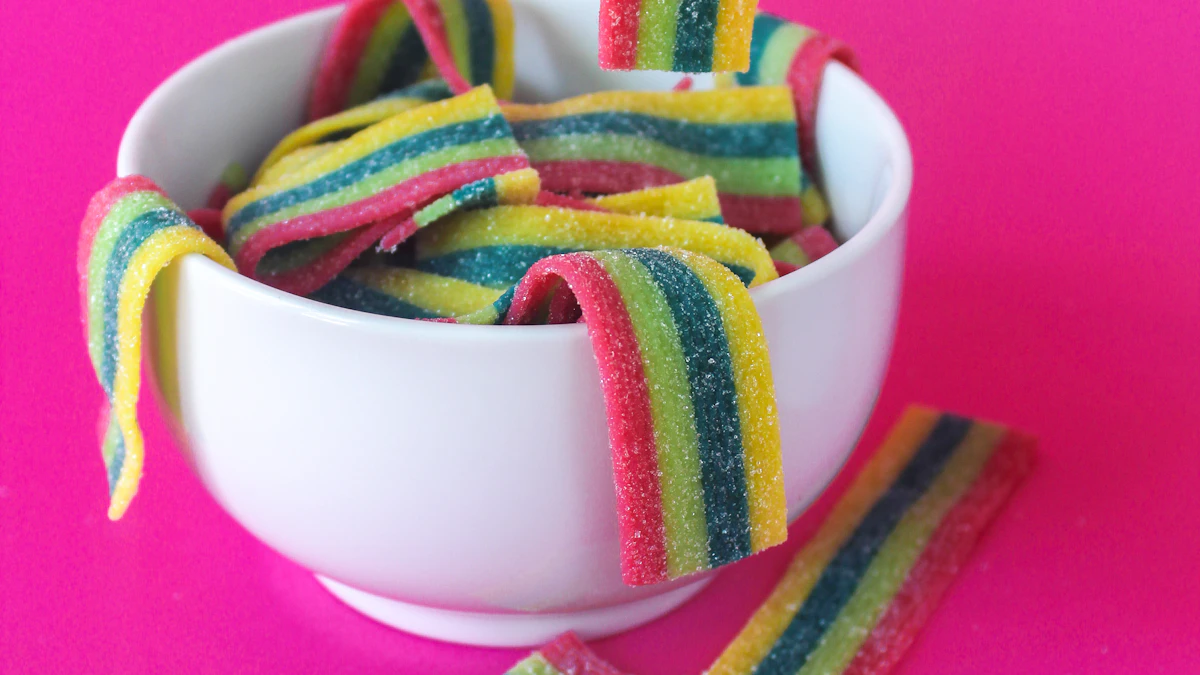
Young children are especially vulnerable because a package formulated for an adult can deliver a large dose relative to body weight. Candy-like flavor, shape and packaging add a recognition problem: a child does not understand the regulatory difference between a licensed delta-9 gummy, a hemp-derived delta-8 gummy and ordinary candy.
What the Study Cannot Prove
Poison-center data depend on what a caller reports. Researchers often cannot independently test the remaining product, verify the cannabinoid or calculate an exact ingested dose. Product mislabeling could place some cases in the wrong group. Families may also call about more alarming symptoms while milder exposures go unreported.
The analysis was univariate, so the reported percentages were not estimates adjusted for every possible difference in age, dose, formulation or access to care. The safest interpretation is association: hemp-derived cases were not clinically milder in this dataset. The study does not establish that every hemp-derived edible is more dangerous than every regulated delta-9 edible.
What Parents and Caregivers Should Do
Store every intoxicating cannabinoid product locked, elevated and out of sight, ideally in child-resistant original packaging. A high shelf alone is not secure. Do not place gummies in an ordinary candy container, and do not consume them in front of young children as though they are snacks.
If a child may have eaten a cannabinoid edible, call Poison Control at 1-800-222-1222 or use Poison Control's online guidance. Call 911 for trouble breathing, collapse, a seizure or inability to wake. Do not wait for certainty about the product label before seeking help.
What Retailers and Brands Should Take From It
Child-resistant packaging, clear milligrams per serving and package, non-candy-forward presentation, tamper evidence and batch-specific testing are not cosmetic extras. Retailers should reject products that imitate popular children's candy or obscure total package potency. Our edibles safety fact check now includes these national findings.
Policy debates often compare regulated marijuana with hemp-derived intoxicants as if one word on the label resolves risk. The same product-accountability questions apply across both markets: what compound is present, how much is in the package, whether the result has been verified and how effectively the package prevents a child from opening it. CannaWize's retailer standards describe the testing and labeling evidence we look for, and our delta-9 guide explains why dose matters regardless of source.
The Bottom Line
This study does not show that regulated delta-9 edibles are safe around children; thousands of delta-9 cases were reported and some required intensive care. It shows that hemp-derived intoxicating edibles should not be treated as the safer alternative. In poison-center cases involving children 5 and younger, clinical severity was similar or greater.
The prevention message is product-neutral: lock it, keep it in original packaging, know the dose and call Poison Control quickly after a suspected exposure.