Bottom line: a new placebo-controlled laboratory study does not support the simple claim that cannabis uniformly suppresses stress. Subjective stress declined after placebo, 20 mg THC and 40 mg THC. THC altered several physiological measures, but some signals fell while heart rate rose, especially at the higher dose.
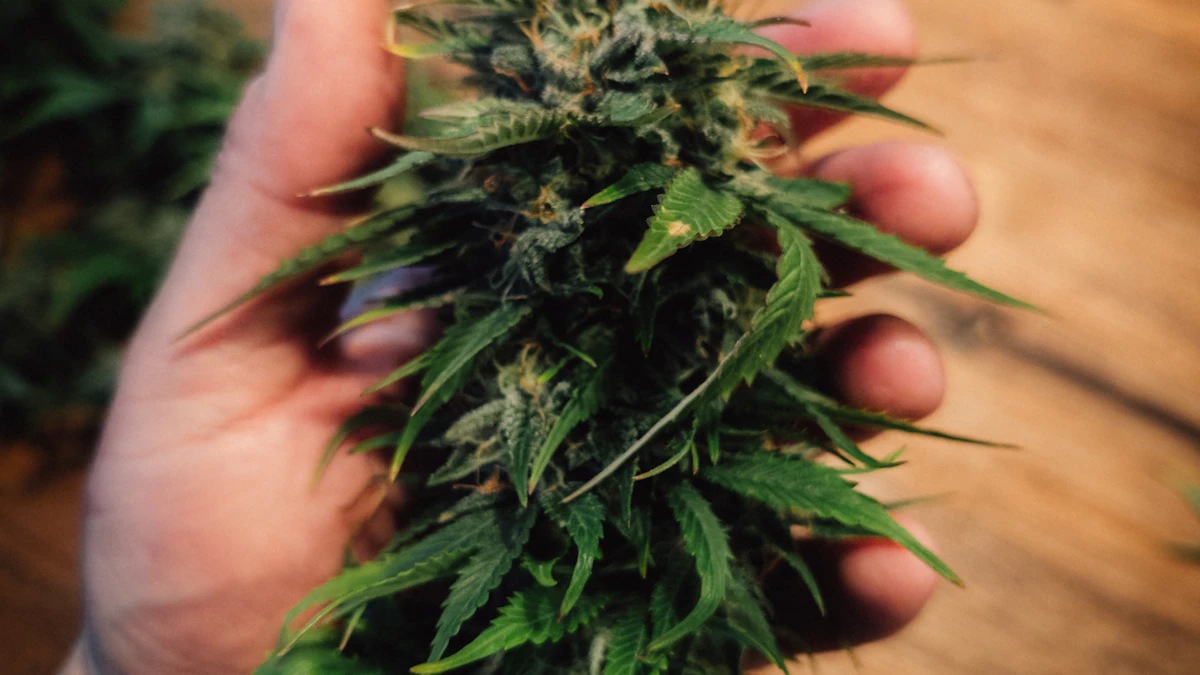
Randomized, double-blind, placebo-controlled laboratory trial; 120 adults who regularly used cannabis; vaporized placebo, 20 mg THC or 40 mg THC; measurements taken before and after a single session. The design can test acute effects in this group, not long-term treatment for anxiety or stress disorders.
Why This Study Matters
Stress relief is one of the most common reasons people give for using cannabis, but feeling calmer and showing less physiological arousal are not the same outcome. The new peer-reviewed study in Neuropsychopharmacology, published online August 22, measured several systems at once instead of relying on a single survey question.
Researchers randomly assigned 120 regular cannabis users to vaporize placebo cannabis, a moderate 20 mg dose of delta-9 THC or a high 40 mg dose. Participants rated stress and provided saliva samples before vaping, five minutes afterward and again after 60 minutes. A wrist-worn device continuously recorded heart rate, heart-rate variability and electrodermal activity, which reflects changes in skin conductance.
Reported Stress Fell With THC and Placebo
Self-reported stress declined over time in all three groups. The drop after THC was not greater than the drop after placebo. The researchers interpreted that pattern as evidence that expectation or the laboratory routine may have contributed to participants feeling less stressed.
This result does not mean no participant felt relief. It means the study did not show that THC caused a larger average subjective reduction than placebo under these conditions. That distinction matters when a personal experience is turned into a broad product or medical claim.
The Physiological Signals Did Not Agree
Cortisol initially declined in all groups, with a larger early decrease in the 40 mg group. It then increased between the five-minute and 60-minute measurements in both THC groups. Some electrodermal measures decreased after THC, but the number of skin-conductance peaks increased at 60 minutes in the high-dose group.
Heart rate moved in the opposite direction. It increased more with 40 mg THC than with placebo during vaping and at the first post-vaping measurement. The study found no THC effect on heart-rate variability.
Taken together, those results are not a clean stress-relief signature. THC appeared to dampen some neuroendocrine and electrodermal responses while increasing cardiovascular arousal. The authors described the effects as divergent, not uniformly calming.
What the Trial Does Not Prove
The participants regularly used cannabis, so the findings may not apply to someone with little or no tolerance. The study tested one acute session, not daily use, withdrawal, a diagnosed anxiety disorder or a clinical stress treatment. It also does not establish that 20 mg or 40 mg is safe or useful for a particular person.
The doses deserve context. Forty milligrams of inhaled THC is a substantial controlled exposure. A higher dose did not produce greater reported stress relief than placebo and produced a clearer heart-rate increase. That makes it especially inappropriate to translate the study into advice to take more THC when feeling stressed.
Because the trial measured change after vaping rather than a course of treatment, it cannot answer whether repeated cannabis use improves coping, worsens anxiety for some people or changes baseline stress regulation. An earlier naturalistic study of daily stress rhythms found altered cortisol patterns among regular users, but its observational design could not determine cause and effect.
Stress Relief Is Not the Same as Anxiety Treatment
Stress is a short-term response that can be measured through feelings, hormones and autonomic signals. Anxiety disorders are clinical conditions diagnosed from persistent symptoms and functional impact. A laboratory change in cortisol or skin conductance does not by itself establish a treatment for anxiety.
The National Center for Complementary and Integrative Health notes that cannabis can cause rapid heart rate, dizziness and impaired attention, and that research on therapeutic uses remains uneven. CannaWize's broader cannabis and anxiety evidence review explains why THC dose, CBD content, tolerance and individual vulnerability can lead to different responses.
How to Read Stress Claims on Cannabis Products
A product claim such as “calming” usually does not identify the THC dose, route, comparison group or outcome being promised. This trial shows why those details matter. A person can report feeling calmer while their heart rate rises, and a physiological measure can change without proving a meaningful clinical benefit.
Consumers should not treat the study as evidence that any retail flower, vape or edible relieves stress. Product composition and delivery can differ, and the trial used standardized cannabis under controlled conditions. Our delta-9 THC guide covers dose, onset and impairment, while the medication-interaction checklist can help organize questions for a clinician or pharmacist.
What Comes Next
Future studies will need to test people with different use histories, measure responses to a defined stressor, follow repeated use and separate immediate intoxication from longer-term coping. They should also examine whether baseline anxiety, tolerance, sex, dose or cannabinoid ratio explains why some people report relief and others experience racing thoughts or panic.
For now, the most accurate conclusion is narrower: THC changed acute stress physiology in regular cannabis users, but not in one consistent direction, and it did not reduce reported stress more than placebo.