Choose herbal tea by confirming the common and botanical names, plant part, single-ingredient or blend amounts, net weight or bag count, preparation directions, storage guidance and testing information. Treat loose herbs and tea bags as different convenience formats, not different evidence levels. Ask a pharmacist about interactions if you take medication.
Herbal tea can be a simple dried plant or a complicated blend. The most useful label tells you which botanical and plant part are present, how much is in the package, how to prepare it and what safety questions apply.
Identify the ingredient precisely
Common names can refer to more than one plant. Look for the botanical name when possible, plus the part used: leaf, flower, root, bark, berry or seed. Hibiscus flower and dandelion root are different materials with different preparation needs. A blend should list every ingredient rather than relying on a name such as detox or calm.
Tea bags, loose botanicals and powders
| Format | What to compare | Practical tradeoff |
|---|---|---|
| Tea bags | Bag count, amount per bag, ingredients and bag material when stated | Convenient, but the amount and cut may be less visible |
| Loose cut herb | Net weight, plant part, cut size and preparation directions | Flexible, but requires a strainer and measuring |
| Powder | Species, plant part, grams and whether it is meant to be swallowed or strained | Disperses differently and is easy to overmeasure by volume |
| Blend | Every ingredient and the amount of each when available | Flavor can be balanced, but individual amounts may be hidden |
Preparation directions are part of the product
Water temperature, steep time and amount change what ends up in the cup. Roots and tough berries may need a longer steep or a simmer, while delicate flowers and leaves are often prepared more gently. Follow the product directions rather than applying one recipe to every botanical. Do not assume that a stronger color or more bitter taste means a more effective serving.
Read the regulatory context
Some herbal products are sold as conventional foods and others as dietary supplements. A supplement should carry a Supplement Facts panel, serving information and other required label details. FDA does not approve dietary supplements for safety and effectiveness before they are marketed. A tea sold as food also should not be judged by unsupported disease claims.
What testing can answer
A batch report can address identity and selected contaminants such as heavy metals, microbes or pesticides when the relevant methods were used. It cannot prove that drinking the tea produces a claimed health result. Look for the product name, lot, test date, laboratory and actual values. A generic tested statement does not tell you which batch or analytes were examined.
Freshness, storage and packaging
- Choose packaging that can be resealed or moved into an airtight container.
- Keep dried botanicals away from moisture, heat and direct light.
- Check the best-by date and the package condition on arrival.
- Discard material with visible moisture, mold, insects or an unexpected odor.
- Follow the seller's directions for any prepared tea that will be stored.
Medication and pregnancy considerations
Herbal tea is not automatically low risk because it is served in a cup. Botanicals may interact with medicines, affect surgery or be unsuitable during pregnancy or breastfeeding. NCCIH advises discussing supplements and complementary products with health care providers and sharing a complete list of what you take. Ask a pharmacist about the specific botanical and amount, not just herbal tea in general.
How to compare price
For tea bags, compare current price per bag only after checking the amount in each bag. For loose herbs, use price per ounce or 100 grams. A higher price is not evidence of stronger effects. Origin, organic certification and testing may explain a difference only when the seller supplies documentation.
Verified catalog examples
The current CannaWize catalog includes three teas from one affiliate retailer. These are examples of formats and label questions, not rankings. Price dates and testing status appear on each card. Confirm details at the retailer before ordering.
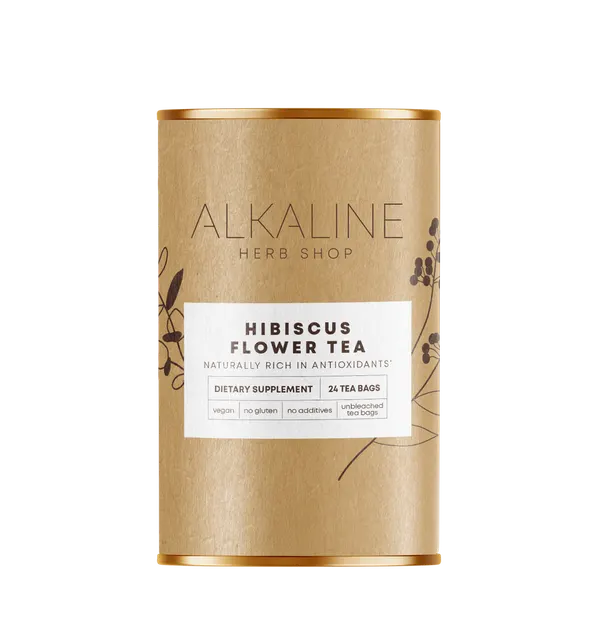
Hibiscus Flower Tea Supplement
A hibiscus flower tea. Confirm the package size and preparation directions on the retailer page, and ask a pharmacist about interactions if you take prescriptions.
- Format: Tea / loose botanical
- Category: Herbal Teas & Botanicals
- Price: $15.99 (checked November 3, 2026)
- Lab evidence: Lab results not reviewed by CannaWize
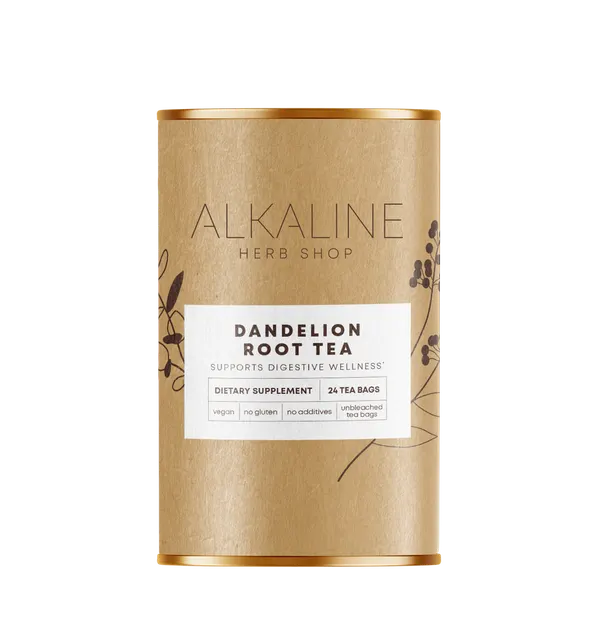
Dandelion Root Tea, 24 Tea Bags (Diente de Leon)
Dandelion root tea in 24 bags. Herbal teas can still interact with medicines, so ask a pharmacist if you take prescriptions.
- Format: Tea / loose botanical
- Size: 24 tea bags
- Category: Herbal Teas & Botanicals
- Price: $19.99 (checked November 3, 2026)
- Lab evidence: Lab results not reviewed by CannaWize
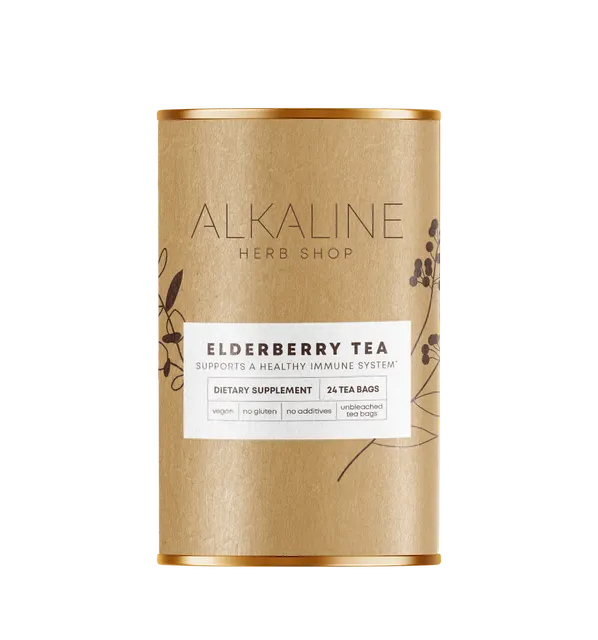
Elderberry Tea Supplement
An elderberry tea listed by the retailer as a tea supplement. Confirm the package size and preparation directions on the product page.
- Format: Tea / loose botanical
- Category: Herbal Teas & Botanicals
- Price: $19.99 (checked November 3, 2026)
- Lab evidence: Lab results not reviewed by CannaWize
Affiliate disclosure: CannaWize may earn a commission if you buy through links on this page, at no extra cost to you. CannaWize does not sell these products. You complete your purchase on the retailer's website, and the retailer handles pricing, shipping and returns.
Seven checks before checkout
- Confirm the common name, botanical name and plant part.
- Read every ingredient in a blend.
- Compare net weight or amount per bag.
- Make sure the preparation directions fit how you will use it.
- Review batch testing when available.
- Check medication, pregnancy and allergy questions.
- Confirm current price, shipping and return terms.