Two slogans compete in the cannabis debate: “it’s not addictive” and “it ruins lives.” Neither survives contact with the data. The National Institute on Drug Abuse says studies estimate 22% to 30% of people who use cannabis have cannabis use disorder, which also means most people who use it do not.
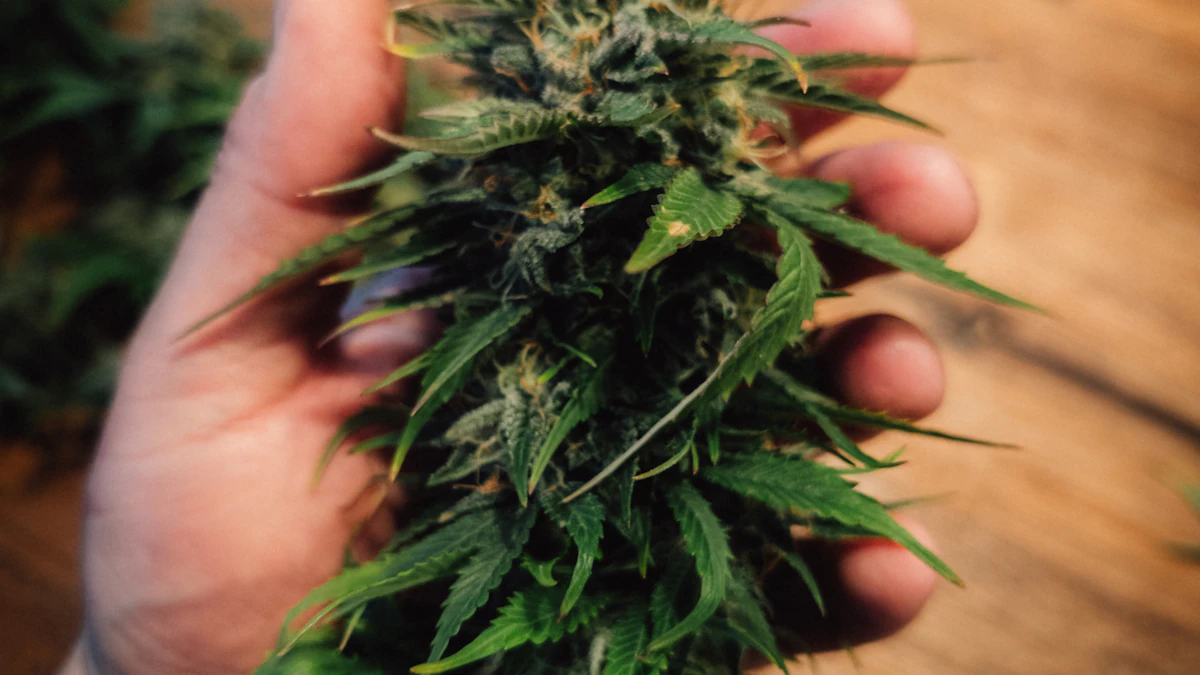
Mostly false. Cannabis can be habit-forming. NIDA estimates 22% to 30% of people who use cannabis have cannabis use disorder, and 12.1% of frequent users experience withdrawal. Near-daily use is the strongest predictor, and starting younger raises the likelihood. Most people who use cannabis do not become dependent.
What the Claim Gets Right and Wrong
The kernel of truth: many people use cannabis occasionally without trouble. The error: a risk that does not hit everyone is still a risk. When 22% to 30% of users are affected, as NIDA reports, “not addictive” is not an accurate summary.
The Numbers
| Question | What NIDA reports |
|---|---|
| Share of people who use cannabis with cannabis use disorder | Studies estimate 22% to 30% |
| Strongest predictor | Chronic, near-daily use |
| Effect of starting young | Using at a younger age particularly increases the likelihood of developing the disorder later |
| Withdrawal among frequent users | An estimated 12.1% experience it, even without a use disorder |
What Withdrawal Looks Like
NIDA lists irritability, anger or aggression, nervousness or anxiety, restlessness, decreased appetite or weight loss, depression, insomnia, strange dreams, headaches, sweating, abdominal pain and tremor. Vivid dreams after stopping are a well-known sign; see our explainer on THC and the REM rebound.
Signs It May Be More Than a Habit
Clinicians look at patterns rather than a single number. Questions worth asking yourself, in general terms:
- Do you use more, or for longer, than you meant to?
- Have you tried to cut back and found it hard?
- Do cravings, or time spent getting and using cannabis, crowd out other things?
- Do you keep using despite problems at work, school, home or with your health?
- Do you feel irritable or unable to sleep when you stop?
If several of these sound familiar, talking to a doctor or counselor is a reasonable next step. This list is not a diagnosis.
Lowering Your Risk
- Watch frequency. Near-daily use is the strongest predictor NIDA lists. Building in days off is a simple check.
- Mind potency. Stronger products deliver more THC per puff or serving. See our high-THC myth piece.
- Delay use for young people. Starting early raises risk, so conversations with teens matter.
- Check in on why you use. Using to cope with stress, sleep or mood problems every day deserves a conversation with a clinician.
Where to Get Help
The SAMHSA National Helpline is free, confidential and open 24/7 at 1-800-662-4357, and can point to treatment options near you. Your own doctor is also a good starting point. If you are in crisis, call or text 988.