Curaleaf Holdings has gone public with plans to take its acquisition proposal for Aurora Cannabis directly to shareholders after saying Aurora's leadership declined to engage privately. Curaleaf's proposed consideration values Aurora at US$4 per share, split between Curaleaf stock and cash, but the announcement is still one step before an actual takeover bid.
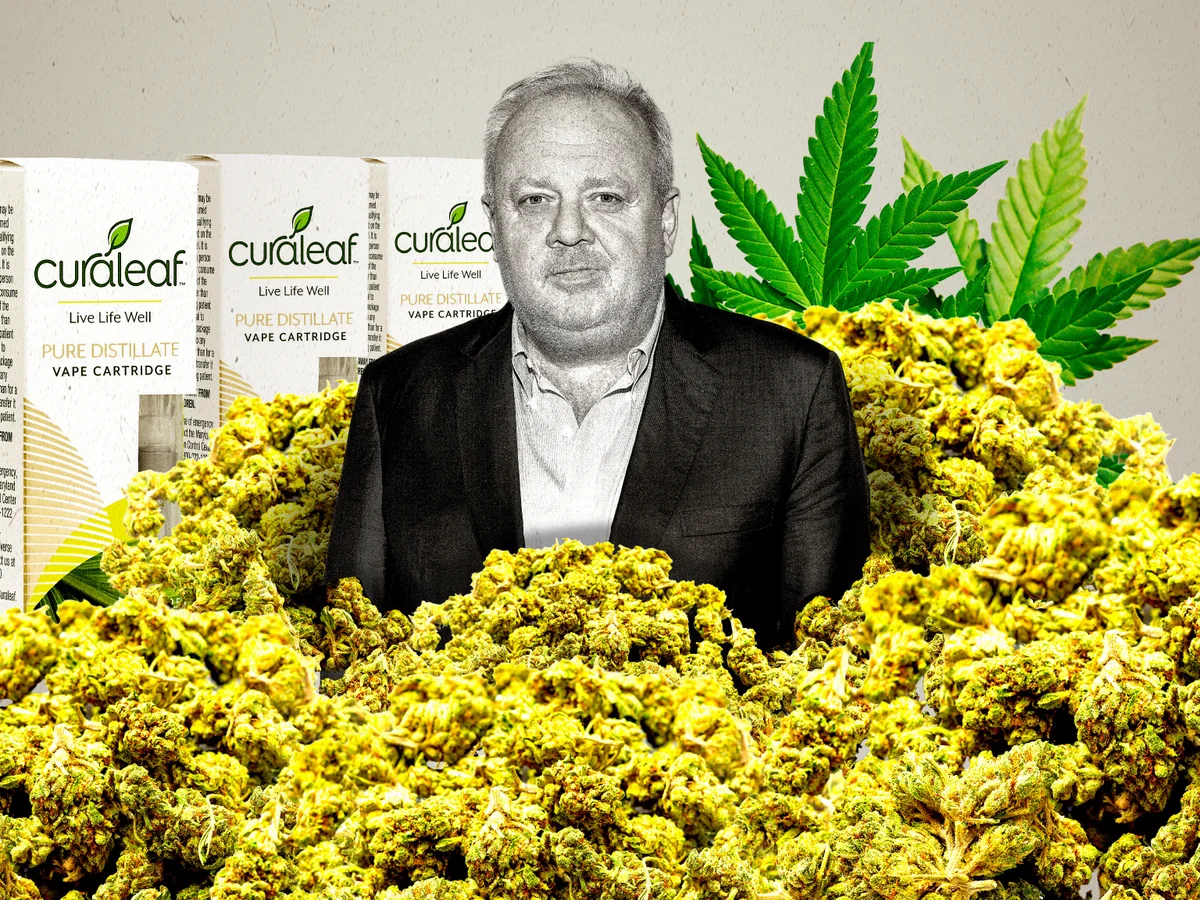
Curaleaf announced its intention on August 11, 2026. Its release says no formal takeover bid has commenced and there is no assurance that an offer will ultimately be made. The proposal is not a completed acquisition, an agreed transaction or a recommendation from Aurora's board.
Aurora is still executing its independent international strategy. On August 19 it announced the completed acquisition of UK importer Internode Pharma and digital pharmacy HAP Pharma for approximately £2.1 million. That separate transaction does not resolve Curaleaf's proposed bid.
Aurora Adds a UK Importer and Pharmacy
Aurora's August 19 announcement says it acquired Internode Pharma Limited and HAP Pharma Limited for about £2.1 million. Internode holds UK import and wholesale capabilities, while HAP operates a digital medical-cannabis pharmacy.
The purchase is small relative to Curaleaf's proposed takeover, but strategically relevant. It gives Aurora more direct access to UK distribution and patients, reinforcing the international medical infrastructure Curaleaf says it wants. It also shows Aurora continuing to allocate capital independently while Curaleaf has announced an intention to bid rather than a completed offer.
The Proposed Deal in Four Numbers
Those terms come from Curaleaf's official announcement. Because most of the consideration is stock, the value received by Aurora shareholders would move with Curaleaf's share price. Curaleaf also proposes a US$5 cap on the value delivered for each Aurora share if Curaleaf stock rises substantially before shares are taken up.
Why Curaleaf Wants Aurora
The strategic logic is international medical cannabis. Curaleaf operates a broad U.S. footprint and has built distribution and processing capabilities outside the United States. Aurora brings EU-GMP-certified cultivation and manufacturing, a Canadian medical base and established positions in Europe, Australia and New Zealand.
Aurora's own fiscal 2026 results filed with the SEC show why that network is attractive. Aurora reported C$288.6 million in annual global medical-cannabis net revenue, up 18% year over year, and approximately C$164.7 million in cash, short-term investments and cash equivalents with no debt at fiscal year-end. Those are Aurora's reported figures, not Curaleaf estimates.
Curaleaf says a combination could connect Aurora's production assets with Curaleaf's processing, pharmacy, clinic and distribution network across Germany, the United Kingdom, Poland and other international markets. It forecasts at least US$40 million in annual cost synergies. That figure is a forward-looking estimate from the bidder and has not been demonstrated in combined-company results.
Why Curaleaf Went Public
Curaleaf says Boris Jordan sent Aurora chairman and CEO Miguel Martin a formal letter of intent on June 23 and followed up on July 7. According to Curaleaf, Aurora would not enter the reciprocal due-diligence process it proposed. Curaleaf is now using a public announcement to pressure Aurora's board and put the terms in front of shareholders.
That makes the proposal unsolicited, but it should not yet be described as a completed hostile bid. Curaleaf says it intends to request Aurora's shareholder list and mail formal offer documents after receiving it. If formally commenced, the offer is expected to remain open for 105 days unless extended, accelerated or withdrawn.
What Still Has to Happen
The path from intention to closing remains long. Curaleaf must first launch the offer and publish the full takeover-bid circular. Aurora's board would then issue its response and recommendation. Shareholders would decide whether to tender, while regulators would review the transaction and its cross-border structure.
Curaleaf says the eventual offer would not be subject to financing or due-diligence conditions. It would still carry other conditions identified in the formal documents, and Curaleaf's announcement lists circumstances under which it could decide not to proceed, including discovering undisclosed material adverse information or encountering defensive actions from Aurora.
The mix of cash, Canadian corporate law, regulated cannabis licenses and operations across several countries makes execution more complicated than the headline price suggests. Readers following other market-structure issues can also see CannaWize's coverage of cannabis business licensing disputes, how to read cannabis market-health claims and federal barriers facing cannabis brands.
What It Could Mean for the Cannabis Industry
If completed, the transaction would push consolidation beyond a single national market. The combined company would pair U.S. retail scale with a medical export and distribution network spanning Canada, Europe and the Asia-Pacific region. It would also give Aurora shareholders an ongoing stake in Curaleaf rather than cashing them out completely.
The proposal is also a test of how public cannabis companies value scarce international medical infrastructure. Aurora's cultivation certifications, cash position and access to medical channels may matter more strategically than short-term recreational sales scale. Curaleaf is betting that those assets become more valuable inside a larger distribution platform.
For now, the most accurate description is simple: Curaleaf has announced a proposed cash-and-stock offer and is preparing to take it to Aurora shareholders. Until formal documents arrive, the price, conditions, timing and even the existence of the bid remain subject to change.