Two statements can both be true: cannabis can impair driving, and a blood THC result cannot precisely tell us how impaired a particular driver was. Treating either statement as a reason to ignore the other produces bad safety advice.
Why THC differs from alcohol
NHTSA reports that blood THC concentrations do not correlate with impairment as reliably as alcohol concentration does. After inhalation, blood THC can fall rapidly while effects continue. Frequent users may retain detectable metabolites long after acute impairment, and oral products have a later, longer and more variable course.
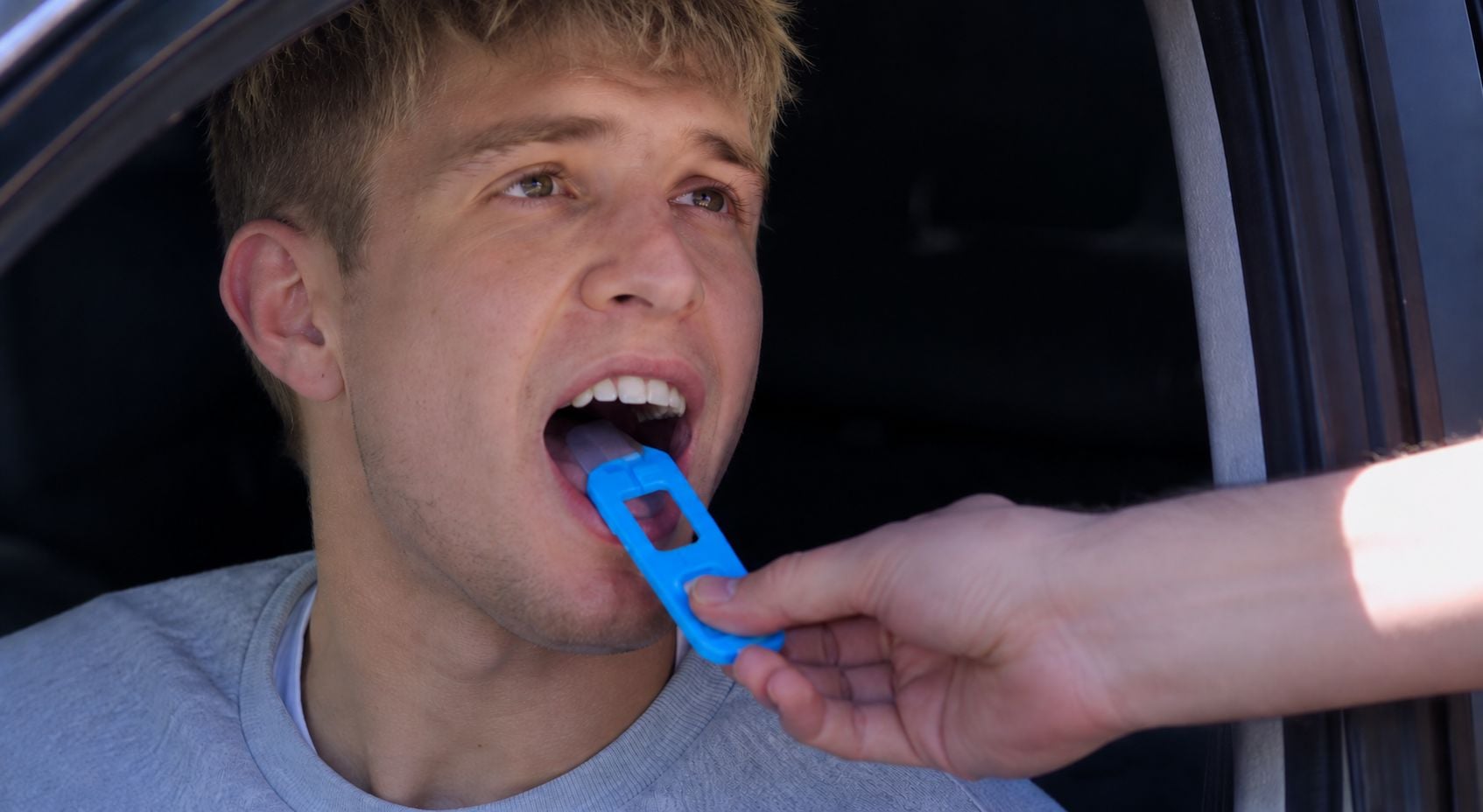
Urine is even less suited to judging current impairment because it primarily indicates prior exposure. Oral fluid can narrow the window, but a positive result still does not measure driving performance by itself.
What cannabis can impair
Controlled research and federal reviews identify effects on reaction time, tracking, divided attention, judgment and route planning. The magnitude changes with dose, route, user experience and whether alcohol or sedating medication is also present. Combining cannabis and alcohol can create greater risk than either alone.
Why per se limits remain debated
A bright-line number is simple for enforcement but scientifically imperfect. NHTSA has said there is no chemical test equivalent to BAC that establishes a specific degree of marijuana impairment. That does not mean observations are meaningless. Driving pattern, field evaluation, time since use, toxicology and alternative medical explanations can be considered together.
The practical rule is simpler than the laboratory problem
Do not drive after using an intoxicating cannabinoid. Do not rely on feeling normal immediately after an edible, and do not assume a familiar product guarantees unimpaired performance. Plan transportation before use, particularly when combining cannabis with alcohol, sleep medicines or other sedatives.
Read our broader driving evidence guide and our report on state oral-fluid programs.
Sources and Further Reading
Never use this article to decide whether you are safe to drive after cannabis use.